




























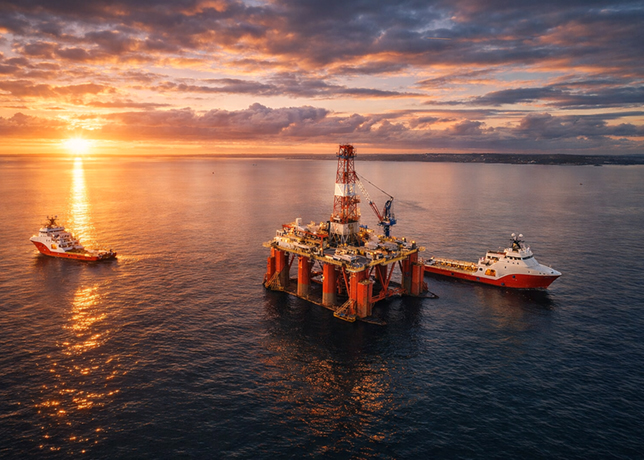


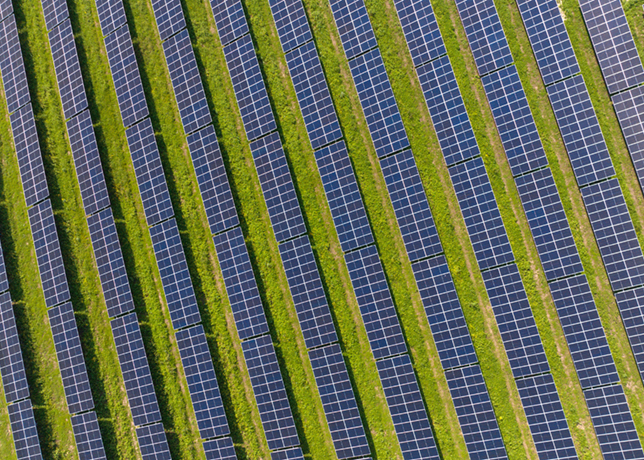



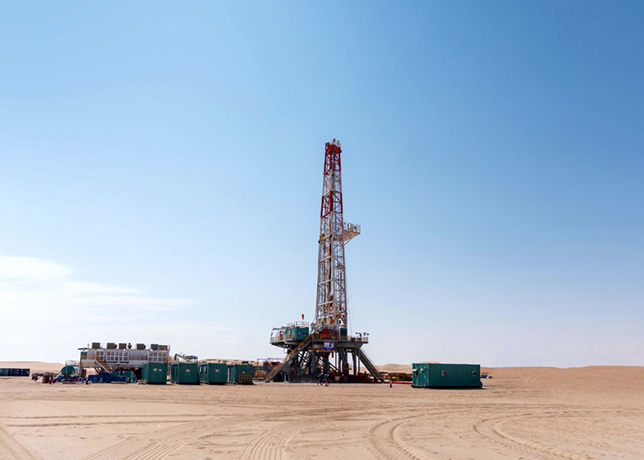
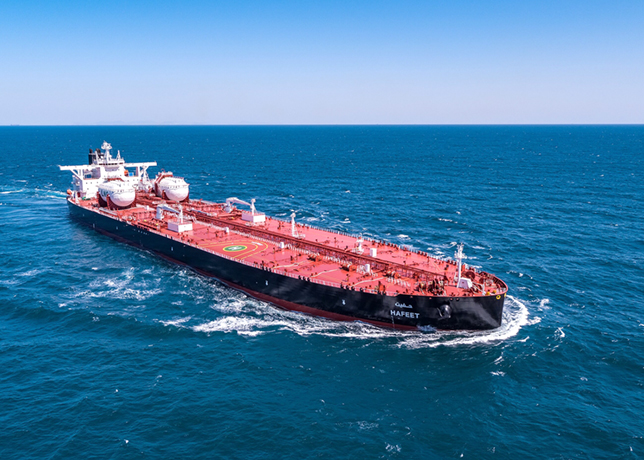














The International Energy Agency (IEA) has dramatically revised its energy outlook, now projecting that oil demand could continue growing through to 2050 rather than peaking by 2030 as previously forecast.
Under the current policies scenario, the IEA expects oil demand to reach as much as 113 million barrels per day (bpd) by 2050, marking an increase of 13 per cent from 2024 consumption.
The agency’s latest World Energy Outlook states that 'oil and gas demand do not peak' out to 2050 and that 'oil remains the dominant fuel' over this period.
This represents a significant departure from the IEA Executive Director’s September 2023 statement describing the beginning of the end of the fossil fuel era.
The reversal reflects governments prioritising energy security over climate commitments, with rising demand driven by industry, residential power, and tech companies investing in data centres for artificial intelligence.
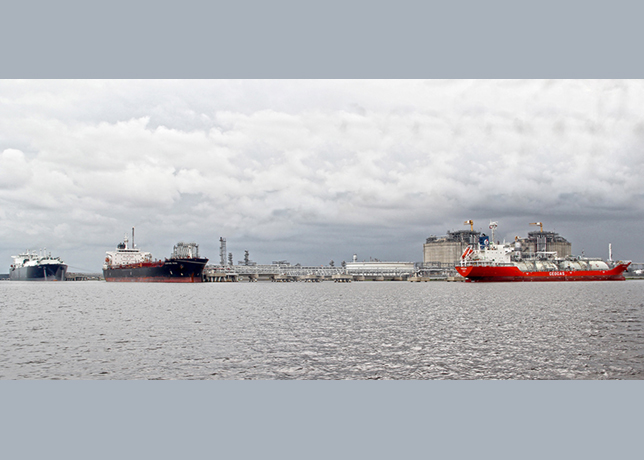
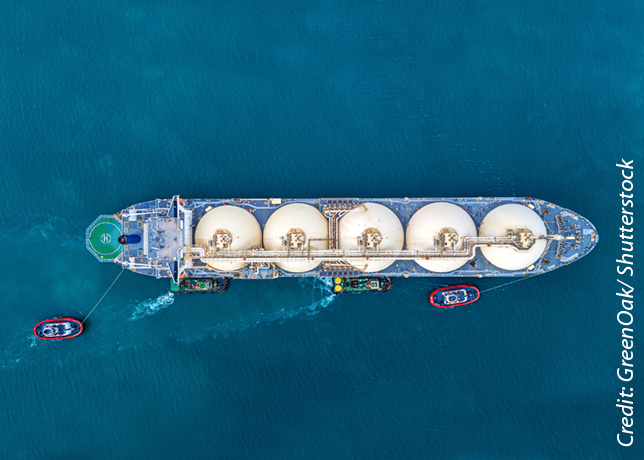
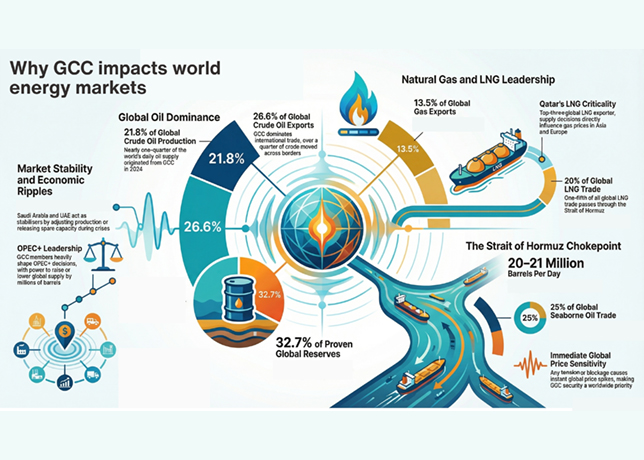
Several new LNG projects approved this year are expected to bring roughly 300 billion cu m of new annual export capacity online by 2030.
OPEC has long contested the IEA’s earlier projections, with Amin Nasser, Aramco CEO, previously calling for abandoning what he termed the fantasy of phasing out oil and gas.
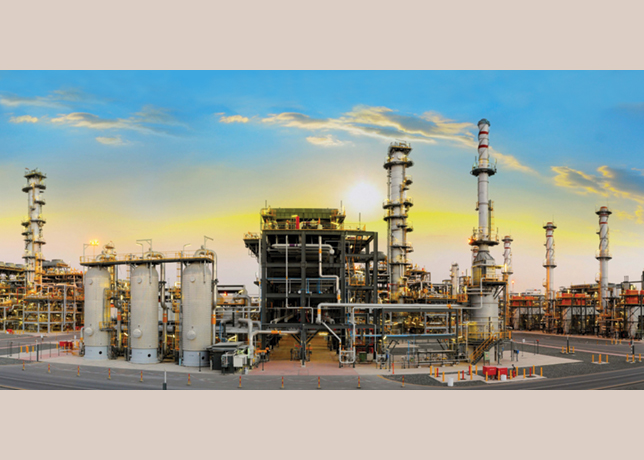
The IEA now acknowledges that upstream oil and gas require the most investment in the coming decade when comparing all fuels.
This shift suggests the world will fail to meet the Paris Agreement target to limit global warming to 1.5 deg C above pre-industrial times.
The debate underscores fundamental disagreements about realistic energy transition pathways and investment priorities.