


























































Utilities can gain immediate financial returns by integrating AI capabilities
The global energy sector faces a $17 trillion infrastructure transformation cycle where artificial intelligence (AI) and digital workers have become essential to unlocking operational value from unprecedented capital deployment into generation capacity.
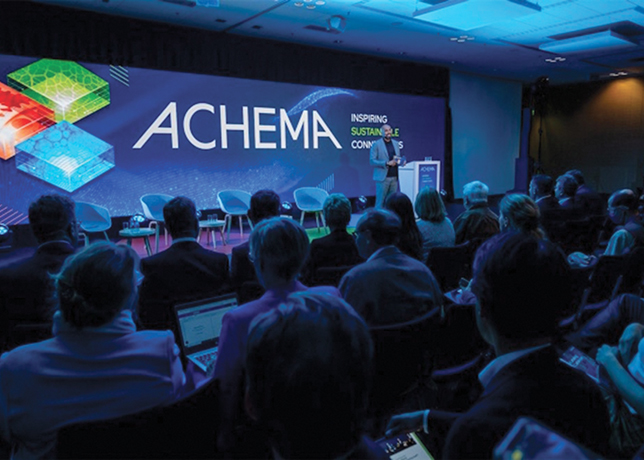
Speaking at the Industrial X Unleashed event in New York, Mark Moffat, IFS CEO, characterised the investment level as 'unfathomable' with profound implications for how rapidly AI capabilities will penetrate asset-intensive operations, as reported by OGN energy magazine.
This transformation timeline has accelerated significantly, with industrial AI specialists now delivering working solutions in precisely three weeks by identifying highest-value problems, and leveraging existing models tailored to specific operational contexts, whilst utilities sector clients have already discovered tens of millions of dollars through optimisation projects alone.
However, traditional utility operating models prove poorly suited to managing infrastructure incorporating components requiring replacement every three to five years, creating organisational tension between long-term planning horizons and rapid technology evolution cycles.
The operational benefits are nonetheless compelling, as agentic AI technology frees 20-30 per cent of employee capacity while reducing errors by up to 40 per cent, thus enabling utilities to address workforce gaps.
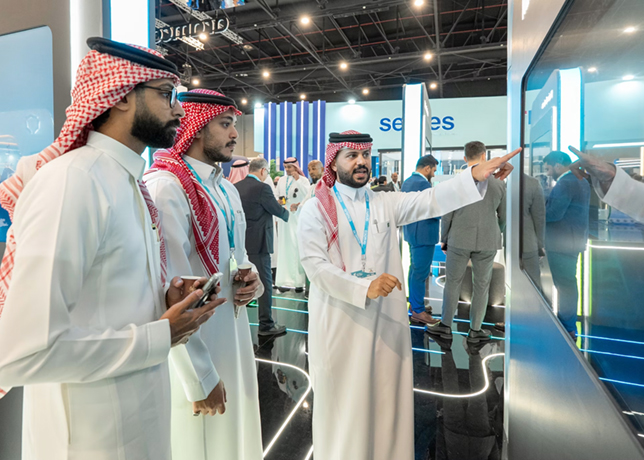
Regional deployment patterns vary considerably, with the Middle East presenting distinct opportunities for large-scale AI implementation from the outset, rather than aging system rehabilitation common in Western markets.
Utilities successfully navigating this transition recognise that infrastructure investment and organisational transformation must proceed in parallel, as installing AI-ready infrastructure without developing workforce capabilities wastes capital and delays productivity gains.
By Abdulaziz Khattak