



























South Africa’s offshore gas discoveries have the potential to significantly transform the economy, comparable to Guyana’s oil boom.
The Luiperd-Brulpadda gas-condensate project in Block 11B/12B is estimated to hold 3.4 trillion cubic feet of gas and 192 million barrels of gas condensate, which could lead to job creation and revitalisation of regions like Mossel Bay, according to NJ Ayuk, Executive Chairman, African Energy Chamber.
However, challenges exist, such as TotalEnergies’ exit from the project due to obstacles including environmental legal challenges that have halted investments worth $1.6 billion, and a lack of agreement on gas pricing between upstream operators and the government.
A gas-to-liquids (GTL) strategy could resolve these issues by linking gas prices to liquefied natural gas (LNG) spot markets and fostering community engagement.
The current pricing deadlock, where upstream companies demand dollar-based contracts and the government prefers rand-based prices, hampers progress.
Upstream companies require higher prices to justify their investments, while local electricity producers need lower prices due to their slim margins.
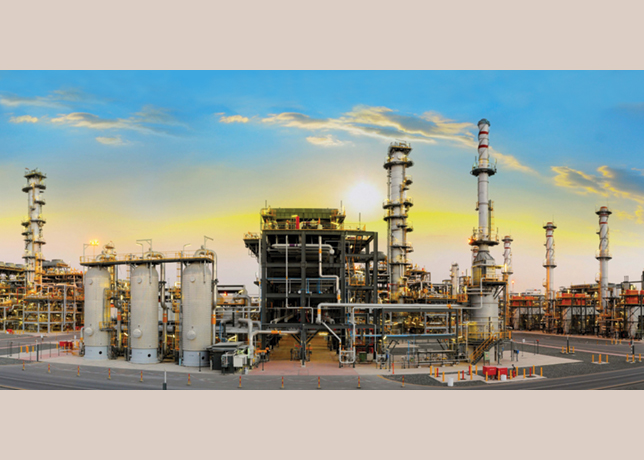
Revitalising the PetroSA GTL facility could transform South Africa’s energy landscape, reducing reliance on fuel imports and producing valuable liquid fuels.
Historical data suggests that similar initiatives in Suriname could generate thousands of jobs and substantial economic impact; hence a comparable project in Mossel Bay is plausible.
To address the pricing dilemma, the government could adopt a model tying gas prices to global LNG prices while providing incentives for GTL development through tax breaks and public-private partnerships, stated Ayuk.
This would create a fair pricing model meeting the needs of all stakeholders and avoid challenges posed by rand-based contracts.
Environmental opposition remains significant, necessitating robust community engagement to mitigate legal challenges.
Strengthening public awareness campaigns and involving communities early in environmental impact assessments (EIAs) are key strategies to build trust and reduce litigation risks.
Implementing a GTL strategy aligns with environmental goals by producing fuels domestically and decreasing emissions through reduced transportation.
A collaborative approach involving the government, industry, and local stakeholders is essential for overcoming existing barriers and efficiently monetising gas resources, claimed Ayuk.
The South African administration must prioritise gas development over traditional coal and mining sectors to harness its full economic potential effectively.
By aligning GTL operations with community interests and environmental measures while simplifying regulatory processes, South Africa can leverage its gas resources for sustainable growth, job creation, and enhanced energy security, leading to broader national benefits, concluded Ayuk.