

























Africa’s energy role grows
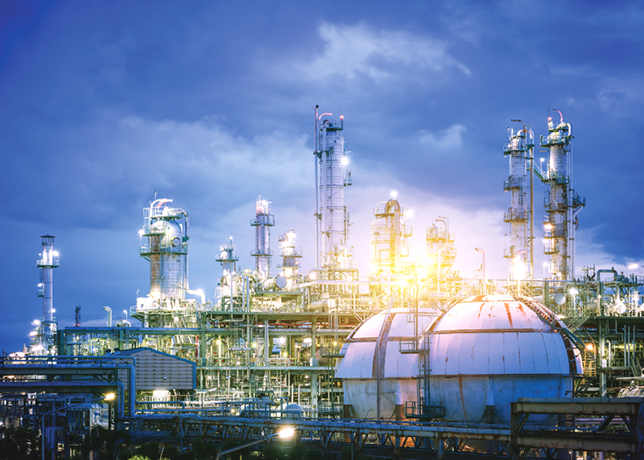
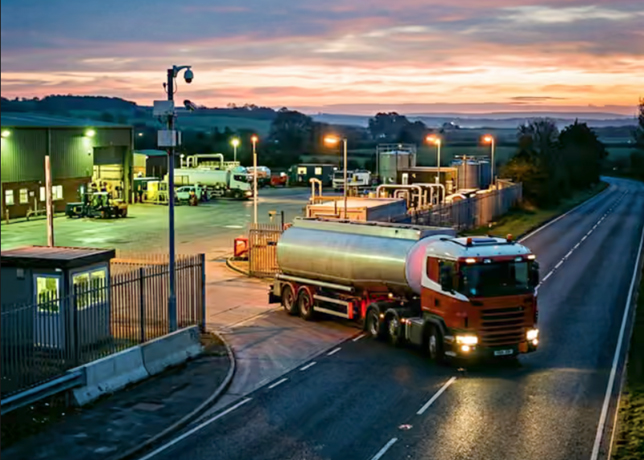
RECENT events underscore Africa’s rising significance in global energy security as EU nations aim to phase out Russian gas imports by 2028.
Notable developments include Algeria’s renewed gas agreement with ČEZ Group and Libya’s National Oil Corporation increasing output to Italy via the Greenstream pipeline.
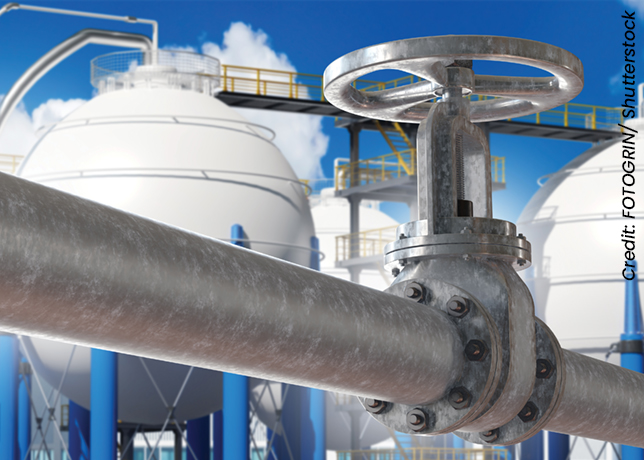
West African countries are revitalising key export projects like the Trans-Saharan Gas Pipeline and Nigeria-Morocco pipeline to access European markets.
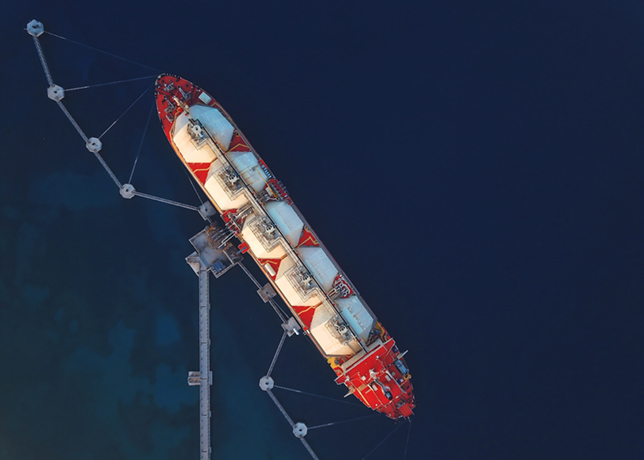
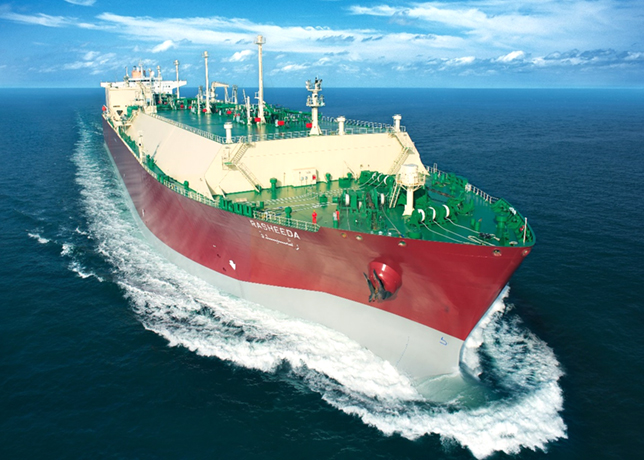
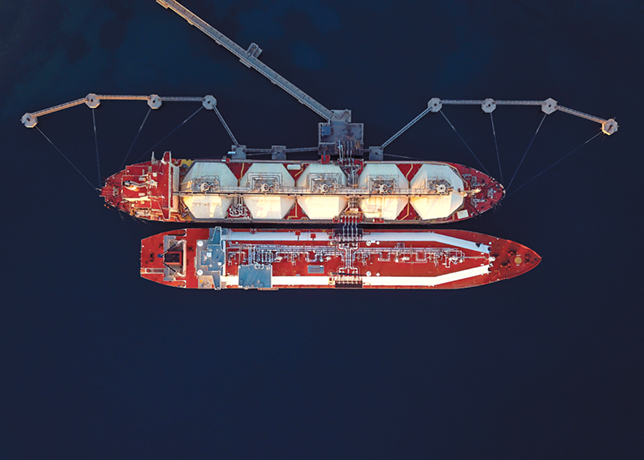
The Greater Tortue Ahmeyim project has also commenced, marking its first LNG shipments to Europe.
This shift highlights opportunities for collaboration in infrastructure and economic growth between African energy producers and Europe.
Africa’s first Euro-certified data centre
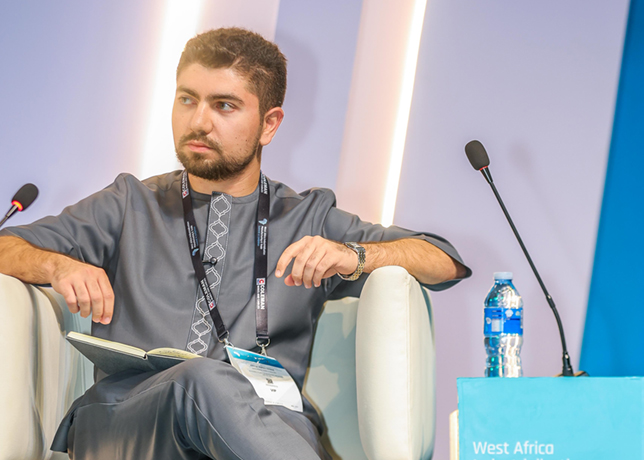
MASTER Power Technologies (MPT) has become the first African company certified as an Endorser of the European Code of Conduct for Energy Efficiency in Data Centres.
This significant milestone, awarded by the European Commission’s Joint Research Centre, highlights MPT’s commitment to high energy management standards, aligning it with global leaders like Microsoft.
The Code, considered the gold standard for energy-efficient data centre operations, stresses the need for improved infrastructure amid Africa’s digital expansion.
MPT’s certification offers commercial benefits for clients and positions the company to influence a future African Code of Conduct, enhancing industry resilience and efficiency.
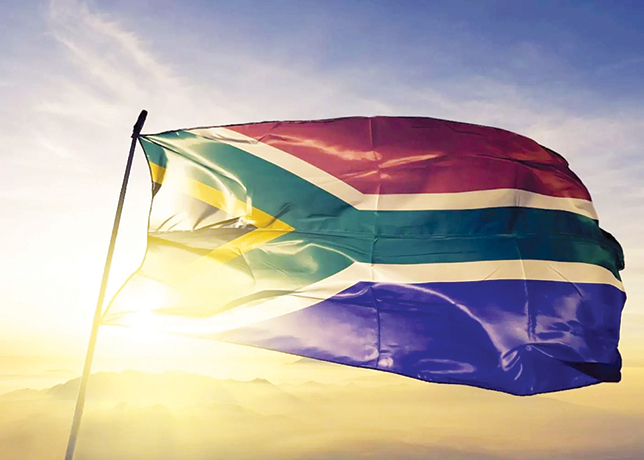
Koeberg supplies 5pc of Africa’s power
KOEBERG Nuclear Power Station, South Africa’s only nuclear facility and the largest in Africa, has contributed to the country’s energy stability since the 1980s, providing around 5 per cent of its electricity.
Currently undergoing a life extension project to add 20 years to its operational lifespan and deliver 1,860 MW of baseload power, Koeberg underscores Eskom’s commitment to a diversified energy mix and reduced coal dependence.
As a highly efficient and low-carbon energy source, nuclear power is vital for Africa’s economic growth.
South Africa’s experience offers lessons for other African nations like Ghana, Kenya, and Egypt in developing their nuclear programmes.
Ivory Coast set to boost oil output
IVORY Coast aims to increase its oil production from 60,000 barrels per day to 200,000 bpd by 2027, propelled by offshore discoveries such as the Baleine and Calao fields.
Eni and Petroci are investing $10 billion in Baleine’s development, while the government supports exploration with 26 new upstream blocks.
The power sector is being modernised to meet a 6 per cent annual electricity demand increase, focusing on expanded generation capacity and enhanced rural access.
The energy mix includes gas-fired plants and hydro power, with a goal of 45 per cent renewable generation by 2030.
Ivory Coast is also a regional electricity exporter, supplying power to Ghana and Mali.