


























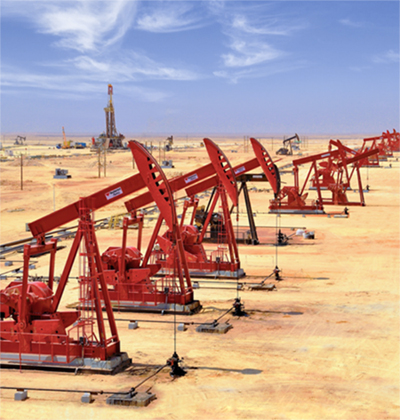

MAN IS making good progress in its bid to develop industries which add value to its oil and gas resources.
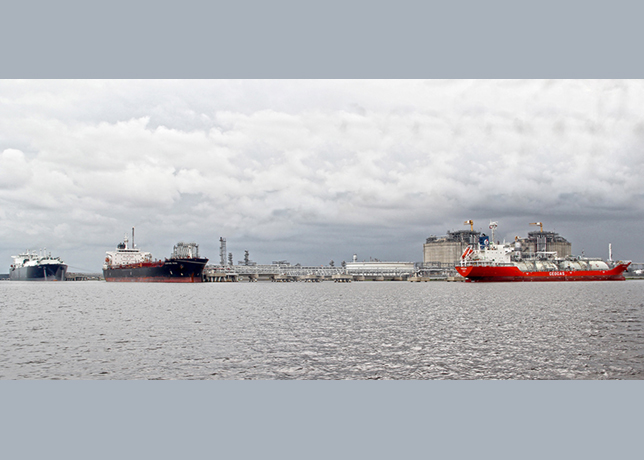
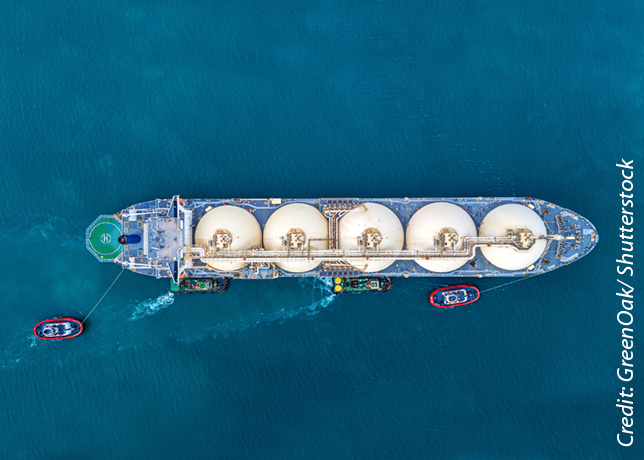
Central to the plans is the Sultanate's desire to move away from a dependence on oil revenues, which still make up the majority of the country's gross domestic product.Oman LNG was the first such mega export project, and is the first of many, say Omani officials, news which is sure to please contractors.
The government has been reviewing options for export-orientated gas-based developments which will boost the economy and provide effective utilisation of the national gas infrastructure.
As well as public projects, Oman is witnessing a significant number of private sector industrial proposals which will require gas.
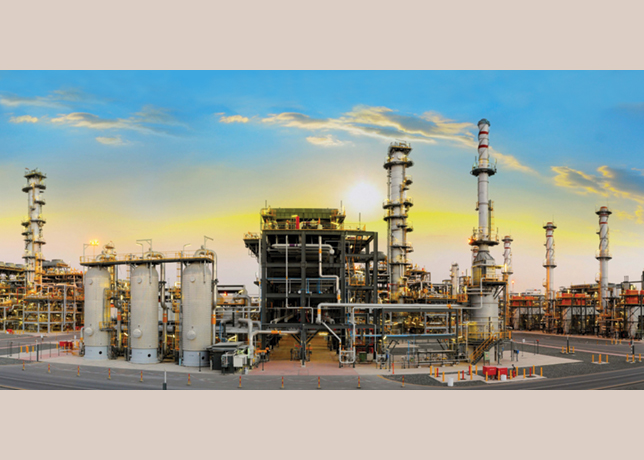
In Sohar, a 5,000 tonnes per day (tpd) methanol plant is set to come onstream by 2005, and a fertiliser plant capable of producing 740,000 tonnes per year (tpy) of urea and 445,000 tpy of ammonia could be onstream by 2004.
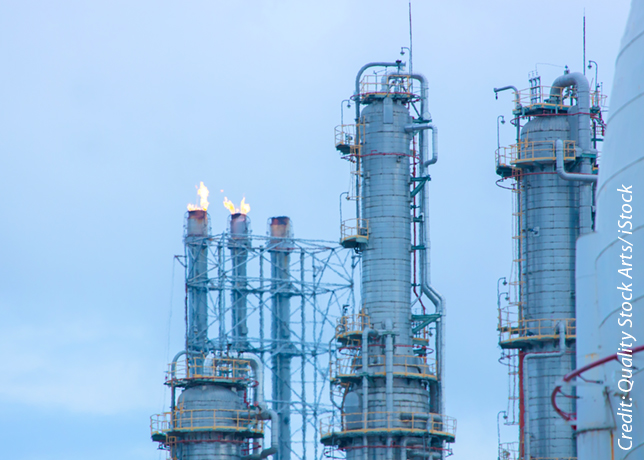
These developments are in addition to a state-of-the-art refinery in the city, which is expected to provide feedstock for petrochemical industries in the area.
Oman and India have also restarted negotiations on a much-delayed $969 million joint urea project, to be located close to Oman LNG in Sur.A final decision about the project could not originally be reached as India had insisted on buying the complete output of the plant for a minimum of 10 years.
However, Oman wanted the agreement to be more flexible and allow it to sell the output to other clients.
The plant is now expected to be completed by 2004 and will produce 1.65 million tpy of granulated urea and 248,000 tpy of surplus merchant grade ammonia.India has invested $80 million each through Krishak Bharati Cooperative and Indian Farmers Fertilisers Cooperative in the project, while Oman Oil Co was expected to invest $160 million through a consortium of banks.
Contractors in the Sultanate are also gearing up for a possible third train at Oman LNG.
Minister of Oil and Gas Dr Mohammed bin Hamad Al Rumhi said late last month that the Sultanate was still evaluating proposals for the third train, which would cost an estimated $980 million. The train would have a capacity of 3.3 million tpy, bringing Oman LNG's total output capacity to 9.9 million tpy.
The critical factor, as with any LNG project, will be the Sultanate's ability to secure new gas sales contracts, and though none are forthcoming at present, Dr Al Rumhi said that the country was targeting potential clients in China and India.
"If we succeed after reviewing the market situation, we may proceed and, of course, we will need new contracts. But as of now there is no new contract," Dr Al Rumhi said.
The Chinese, in particular, have been identified as being particularly important to Oman, both for LNG and crude oil sales. China topped the countries which imported Omani crude last year, trebling its imports to an average 314,000 barrels per day (bpd) - or 35 per cent of Omani exports - and officials in the Sultanate are keen to tap the enormous demand growth in China and increase market share.
Oman's oil output last year ran at slightly less than 960,000 bpd, with condensates accounting for about 70,000 bpd of that total, a total increase of 5.8 per cent compared with 1999. Exports rose by a similar amount.
As a non-Opec member, Oman nevertheless works closely with the cartel in stabilising oil prices on the international market. Dr Al Rumhi said recently that he expected oil prices to stabilise at $20 to $21 per barrel during the forthcoming summer season, ÔÔparticularly if Opec member countries maintained their current production."
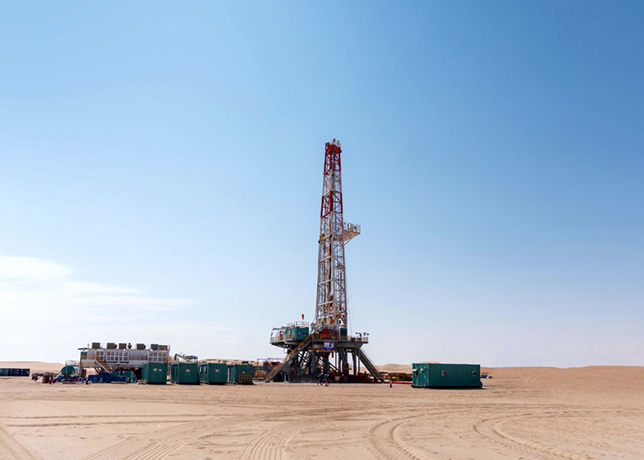
The Sultanate is looking to further boost its oil and gas production in its Sixth Five Year Plan (2001 to 2005), following a successful year so far for Petroleum Development Oman (PDO) and other foreign production sharing contractors operating in the country. For its part, PDO has set a daily production target of 850,000 bpd for this year, and the country is said to be gearing up to invest $6.5 billion over up to 2005 on achieving its objectives.
PDO is expected to continue to break drilling and production records in the foreseeable future.Crucially, Oman's oil and gas reserves are stable and are being replenished, a situation which has been helped with discoveries such as those at Zalzala (oil) and Kauther (gas). Major finds such as these are also expected to encourage international oil companies to increase their investments in the Sultanate.
Gas is very much the flavour of the moment in Oman. Aside from Oman LNG and a raft of downstream projects being developed to using gas feedstock, the Sultanate is due shortly to officially announce the winner of a tender to develop further a national gas system.
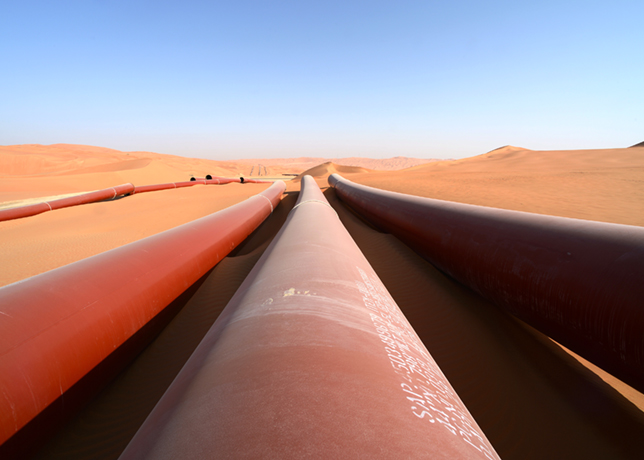
The successful bidder, which sources say will be a local/Canadian joint venture, will operate and manage the entire gas transportation system, providing technology and know-how, including the existing network, two pipelines under construction (to Sohar and Salalah) and any future pipelines.
India's Dodsal & Co was awarded the 700km pipeline between Saih Nihayda and Salalah, while the 305km pipeline contract between Fahud and Sohar was won by a consortium of Italian energy group Eni, Lebanese Consolidated International Contractors Co and Japan's Mitsubishi Corp.
Oman already has an 800 km pipeline which feeds the Oman LNG and power plants.
Of great interest is an Omani proposal to supply natural gas to the northern emirates of the UAE, particularly given that Oman barely has enough gas at present to fuel a demand which is expected to almost double by 2005.
Dr Al Rumhi has stressed that volumes would be 'smallish' and on a short term basis, but the Sultanate seems ready and willing to go ahead with the next stage of the process.
Exports of gas to the UAE are not expected to affect the Sultanate's gas reserves base. The country has successfully added to its reserves base this year and last, and even increased demand from a possible third train at Oman LNG is unlikely to blunt this.
Gas would, according to reports, be supplied from an extension to the Fahud-Sohar pipeline, which is expected to be completed by next year.
Completion of the pipeline ahead of the industries in Sohar would create a surplus of gas for this purpose.
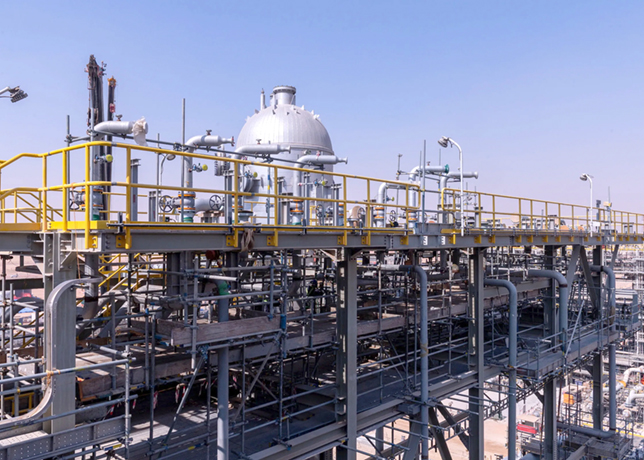
Oman is also taking significant steps in preserving the environment. An upgrade of facilities at Oman Refinery Company (ORC) will include Diesel Hydro Desulphurisation and Unleaded Gasoline facilities to ensure better environmental management at the plant.
Oman LNG has also been awarded ISO14001 certification for Environmental Management, a remarkable achievement for an industry which has only been onstream for little more than a year, and, fittingly, gained during the Sultanate's Year of the Environment.


