









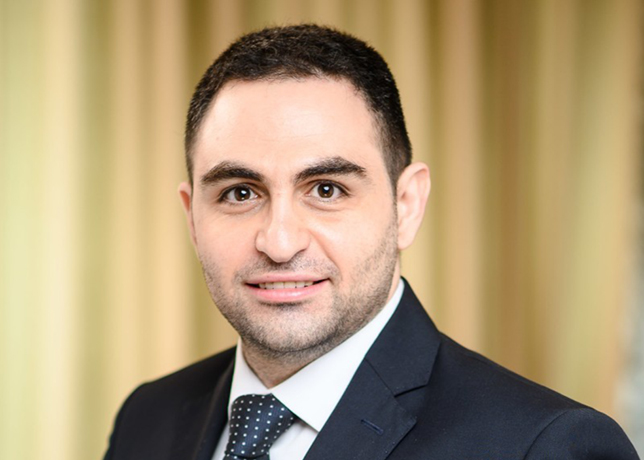












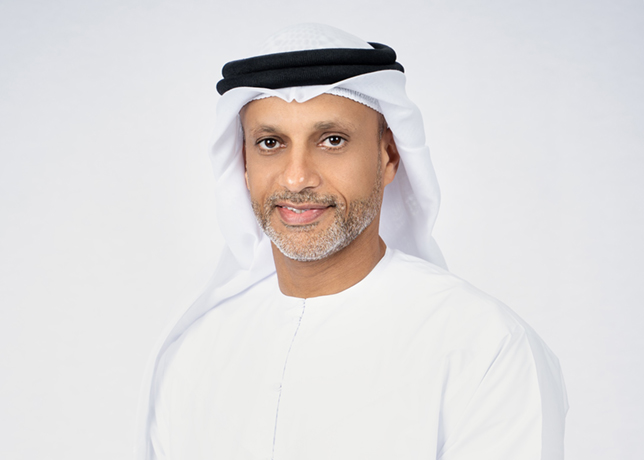







Raising oil production and more than replenishing reserves depleted by production have been key achievements for PDO in the past year, deputy managing director Dr Abdullah Al Lamki has said.
Several technologies have contributed significantly to the companyÕs operations, and PDO is a pioneer in the development of state-of-the-art oil and gas production techniques.
“It is very difficult to pinpoint just one specific technology which has had the greatest impact on our operations,ÕÕ Dr Al Lamki told OGN.
“However, horizontal well technology has yielded high productivity per $million spent on drilling.“It also enables the development of fields that would otherwise be uneconomic.”
PDO has set a number of drilling records in recent months, and Al Lamki expects the company to continue this trend.
“We keep trying to push the boundaries of technological development which is a necessity for us in this fairly difficult operational environment,” he said. In addition to boosting oil and gas output in the Sultanate, PDO is currently performing front end design work for the Central Oman gas facilities expansion, preparing itself for the possibility of a third train at Oman LNG.
PDO’s plans to boost oil and gas output and locate fresh reserves are part of a grand scheme which will involve investments of $6.5 billion over the next four to five years.
PDO had, according to managing director Steve Ollerearnshaw, earmarked an annual $1.3 billion until 2005 for exploration and technological innovation. In particular, PDO is aiming to boost its oil production from approximately 841,000 bpd at present to more than one million bpd by 2005.
Aiding the march to one million bpd is increased production of condensates, with PDO looking to a target peak of 100,000 bpd next year from 50,000 to 70,000 bpd at present.
Almost every year PDO finds more oil than it produces, with current booked reserves in its 114,000 sq km concession at around 5.6 billion barrels.
Enhanced Oil Recovery techniques such as steam injection will, PDO hopes, help prove a further five billion barrels in reserves, with one to two billion barrels coming from future exploration.New discoveries in the Zalzala and Kauther fields give cause for optimism, with Kauther potentially the largest gas field discovered in Oman in the past six years and Zalzala targeted to initially produce some 6,000 bpd of oil.
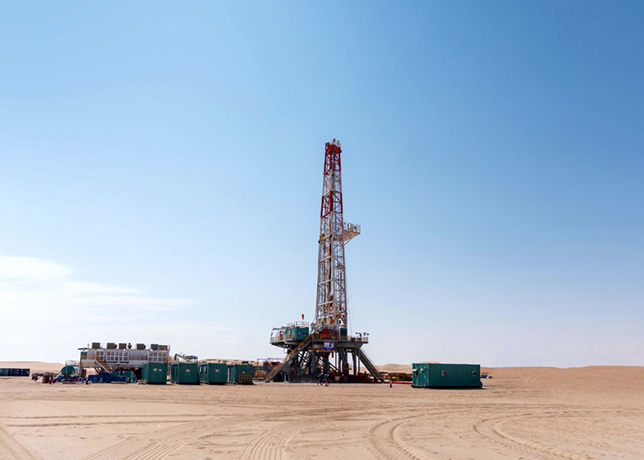
PDO is said to be preparing a fast-track development programme for Zalzala in southern Oman.Further tests will be needed to gauge the real potential of Zalzala, the drilling of which represented a record for PDO as the longest open-hole section of a well at 4,050m.
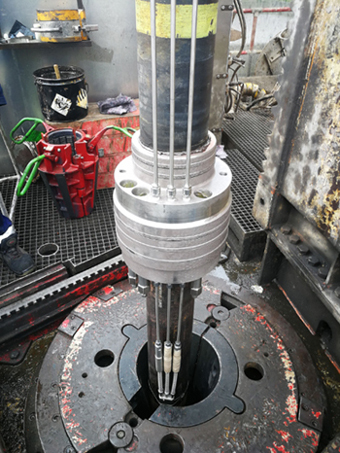
The previous record had stood since 1992. PDO also set a record for lowering the longest and heaviest casing string into a well in Oman.
Zalzala is the fifth deepest oil find in southern Oman and represented a major challenge to the drilling crew, with the depth and hardness of rock - including an 1,800m section of conglomerate - presenting particular technical nuances.The Zalzala prospect is part of a cluster of so-called stringer fields which have been discovered in recent years in the Dhofar region.
Production from the stringer fields could add between 50,000 and 100,000 bpd of light sour crude by 2004, according to PDO.
PDO has extensive plans to develop the stringer fields, consisting of Ghafeer, Sarmad and Harweel, and has submitted a development plan to the Ministry of Oil and Gas. Work already carried out around Harweel should, according to PDO drilling engineers, enable the three discoveries to be linked up.
PDO’s record-breaking exploits do not stop at Zalzala, however. Late last year the company carried out what is believed to be the largest-ever propped fracture treatment in the Middle East, at the Al Noor field in South Oman.
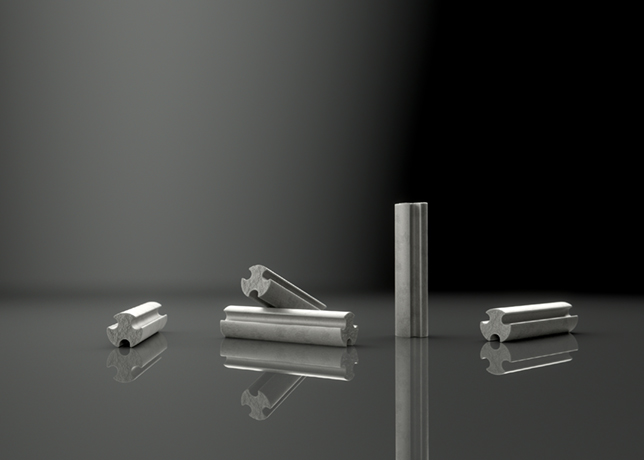
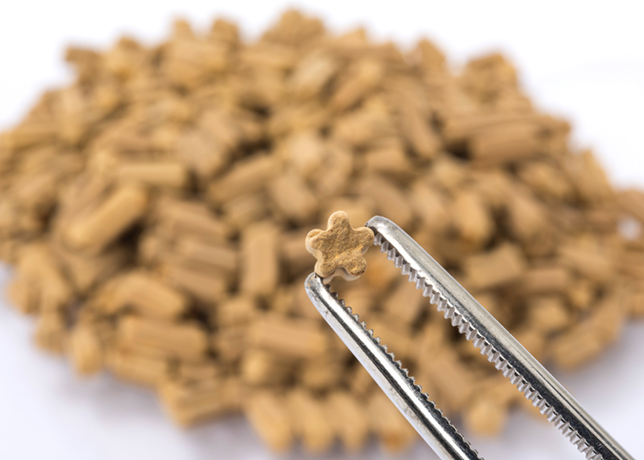
The treatment involved pumping large volumes of viscous liquid down a well at pressures high enough to cause the underground oil-bearing rock to crack. Man-made sand was then pumped into the cracks to prop them open after the pressure was released. The propped cracks then provided channels through which the oil could flow much more easily to the well.
Such fracture treatments have proved to be the key technology that has enabled commercial production from the Al Noor field, since the oil-bearing rock there has exceedingly low permeability, according to PDO.
The oil-bearing rock in the Al Noor field is more than four kilometers below ground. It contains very light oil at very high pressure. To create the large fractures of about 160 m diameter, about 200 tonnes of sand carried in 1,500 cu m of viscous fluid was pumped into the oil-bearing rock.
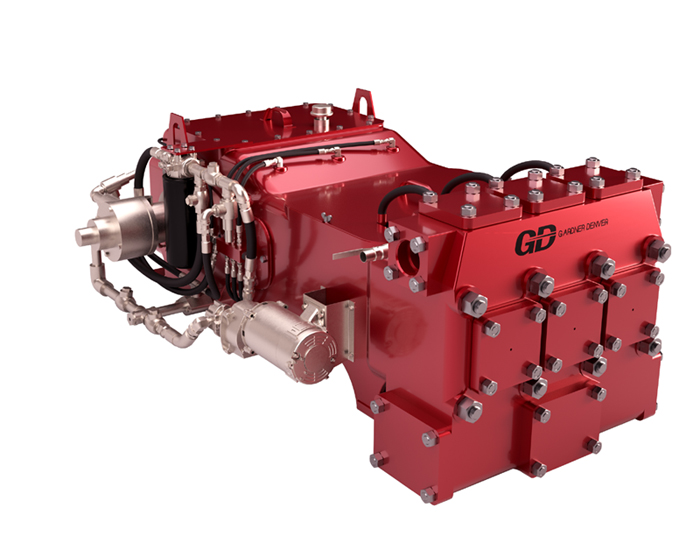
Several specially designed high-pressure pumps were employed to reach pressures of about 1,000 bars. An Al Noor well that is not fractured would produce only about 100 cu m of oil per day. With the fracturing technique, well production rates higher than 1,500 cu m per day have been achieved, said the company.
Fracture treatments account for about 40 per cent of Al Noor well costs. Last year several optimisation studies were carried out with support from Shell Technology E&P, Pinnacle Technology Delft BV and Halliburton, with the aim of enhancing well productivity and reducing fracture-treatment cost.
The studies resulted in several design and operational improvements that were implemented during the year, culminating in the execution of two huge fractures at a cost less than 50 per cent of that originally estimated.
For the Kauther field in northern Oman’s Dakhliya region, the discovery is a welcome boost to plans to expand gas production to meet increased demand. PDO’s gas production is currently approximately 38 million cu m per day, approximately one third of which is used by power stations with the rest consumed by Oman LNG. Proven gas reserves stand at 635 billion cu m. Gas demand in the Sultanate is expected to rise to 70 million cu m per day by 2005.
Initial estimates suggest that Kauther contains in the region of 700 billion cu ft of gas. Officials say that PDO is planning to drill two other exploration wells in satellite prospects North and South of Kauther in the hope of adding to the find. PDO will also conduct 3D seismic in the next few months before it drills the two new exploration wells.
PDO’s main pumping station at Qarn Alam received a $15 million upgrade earlier this year.
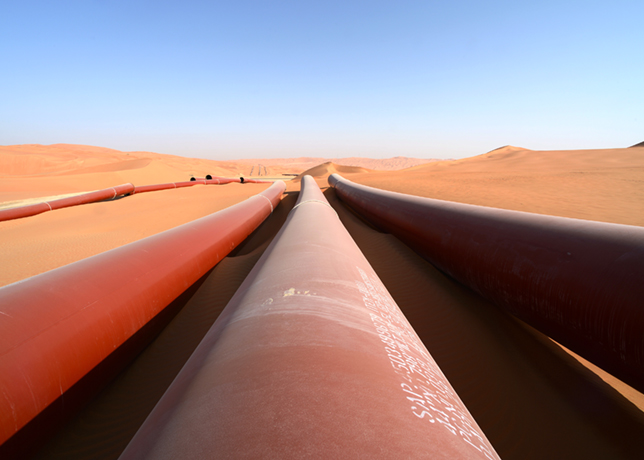
Most of PDO’s crude oil flows through the Qarn Alam station on its way to Mina Al Fahal near Muscat. The upgrade enables the station to pump an additional 100,000 bpd, taking the throughput capacity to 600,000 bpd. It is also now geared up to handle condensate exports.
The station will deal with five streams of oil: crude from South Oman; condensate and treated oil from Saih Rawl; Ôwet’ oil from Saih Nihayda and Ghaba North; and oil from Qarn Alam itself.
The pumping station used to be a major bottleneck.
In addition to technology, PDO’s history is also one of setting milestones in environmental protection.
The company has a reputation as a leader in the provision of environmentally sound operations.
“We take steps to maintain stringent internal standards, drawn from both the local and international arena, in the environmental field, while conforming to ISO14001,” Dr Al Lamki told OGN.


