




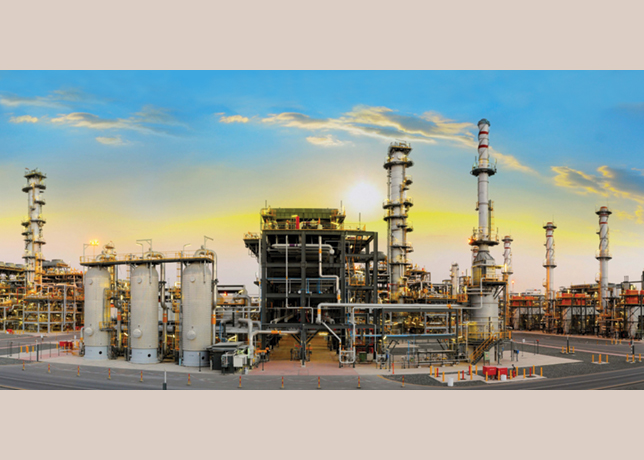






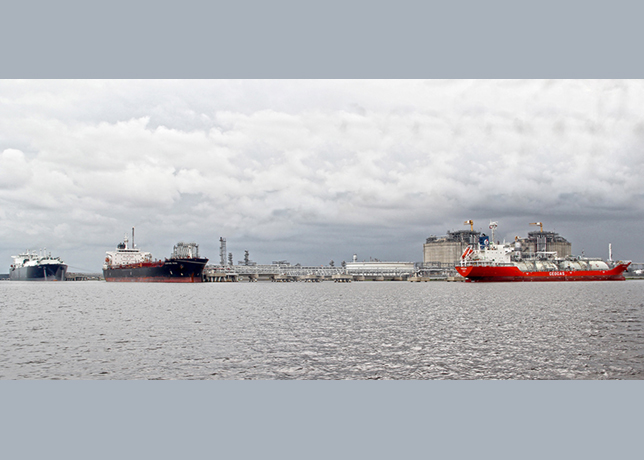
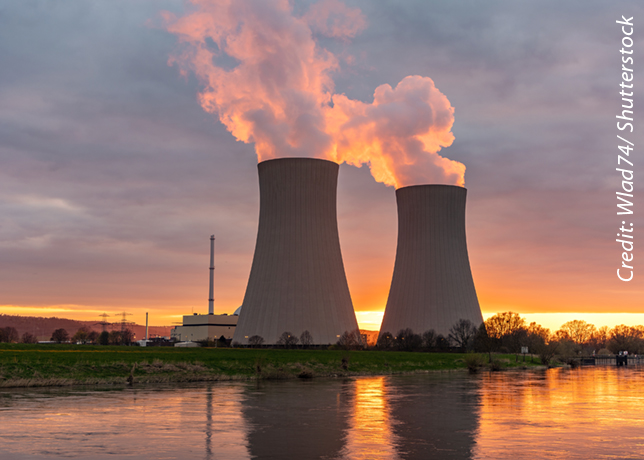

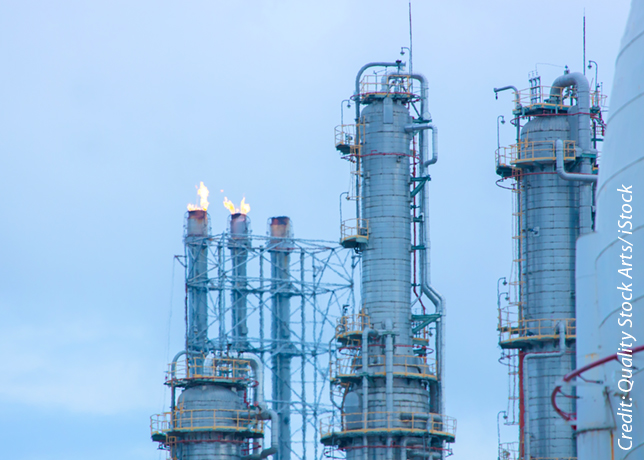
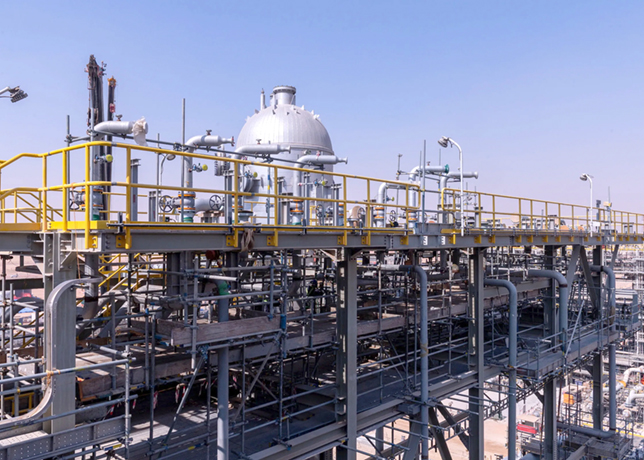



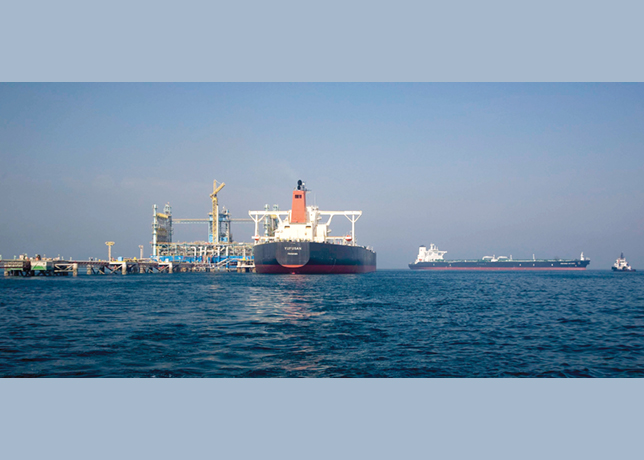




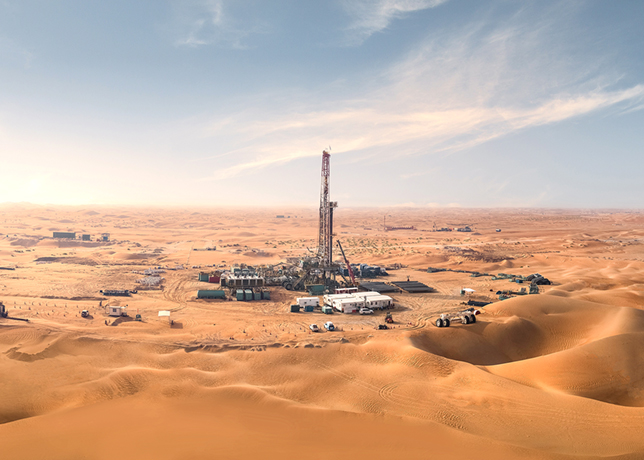
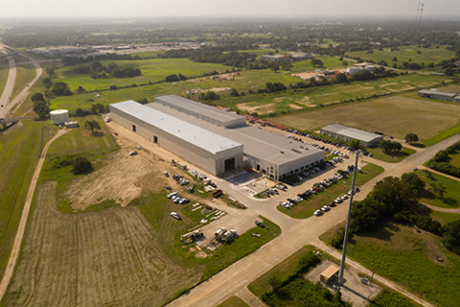


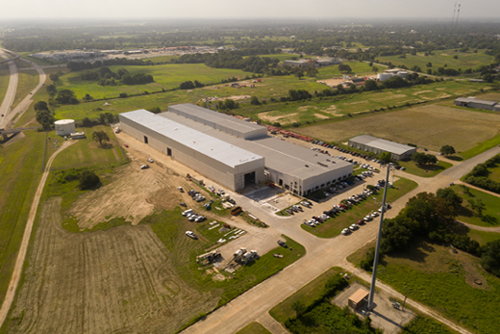
 The Mina Al Fahal plant ... projects designed to improve environmental management and impacts
commitment to the environment is not just a fleeting pledge by Oman Refinery Company (ORC).
It is an all-encompassing promise by the company to do its utmost in protecting the environment by reducing pollution at source, and to this end ORC has initiated a number of projects at its Mina Al Fahal refinery.
Diesel Hydro Desulphurisation (DHDS) and Unleaded Gasoline projects have been conceived with the primary objective of development without damage to the environment, whether in Oman or globally, according to the company.
To ensure better environmental management, due care is taken during the design stage of any particular project to choose the most environmentally-friendly technology and strictly implement the mitigating measures.
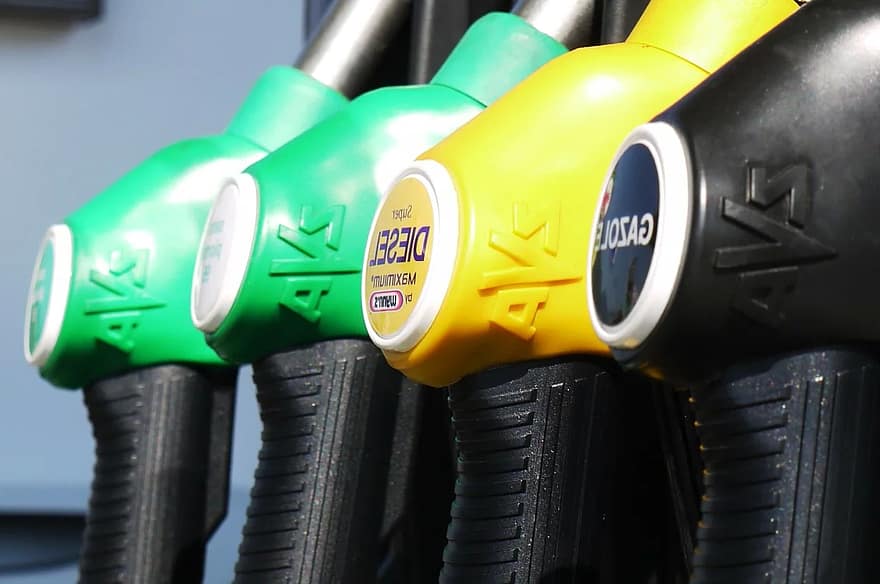
Diesel is one product which has undergone major quality upgrades in recent years.
Sulphur in diesel is a major pollutant, but its content has been reduced through research and technology. ORC's DHDS project will enable the refinery to produce diesel with 0.005 weight per cent or less sulphur content when it comes online during the fourth quarter next year, according to the company. The move will make Oman the first GCC country capable of producing 0.005 per cent sulphur.
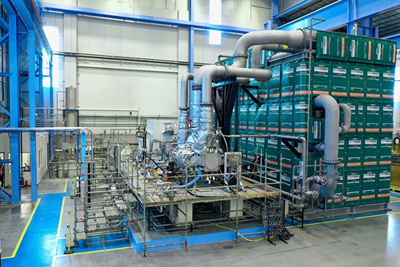
In the DHDS unit, high sulphur diesel feed containing up to one weight per cent sulphur will react with hydrogen under high pressure and temperature in the presence of catalysts.
This process removes the sulphur as hydrogen sulphide gas, which will then be routed to the sulphur recovery unit, where it will be converted into solid sulphur for sale to other industries.
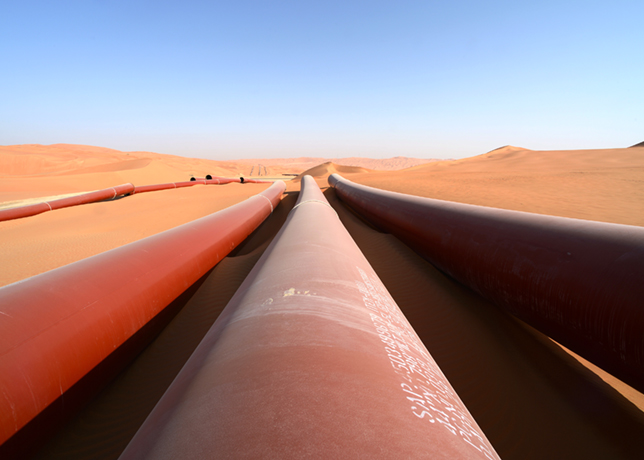
ORC's Unleaded Gasoline project will see the setting up of Methyl Tertiary Butyl Ether (MTBE) storage facilities and a pipeline for the import of MTBE, an octane enhancer which will be blended with gasoline components to produce unleaded motor gasoline fuel.
The two projects are in addition to a general revamp of the Mina Al Fahal Refinery, which has already been operating for two decades. Operating experience over the years has shown that greater flexibility with respect to the crude processed and product stages can be achieved through some low-cost debottlenecking. Under the Revamp project, the company is currently installing a new Platformer Feed Splitter Column, new heat exchangers in order to improve heat recovery rate, and it also includes modifications to the existing crude splitter, gas oil stripper and naphtha stabiliser columns.
The new units complement measures already undertaken at the refinery to protect the environment. Tilted and Angled Plates Interceptor facilities separate oily contaminants from discharge water before it is sent to the sea. Gaseous effluents are also treated to reduce emissions to the atmosphere in Sour Water Stripper and Amine Treating units. In addition, gas turbines at the refinery profitably utilise the plant's gas, which would otherwise be wasted by flaring.
While there is a global concern for the restoration of the ecological balance, demand and supply logistical considerations have crossed local boundaries and encompass greater regional areas.
ORC's move to meet demand for changing product specifications is a response to this. In addition, the global refining industry is exposed to oil price volatility and uncertainty, with margins being squeezed. Plants are adopting various innovative measures to reduce operating expenses and enhance value addition.
For ORC, the need to streamline the business and exploit all options to increase returns through safe and efficient refinery operation and effective trading to meet supply-demand imbalances are key driving forces, according to the company. The buying and selling of petroleum products are highly skilled jobs which require authentic market information.
Over the years, adequate expertise has been acquired to decide import-export timing based on market trend analysis, shipping optimisation, cargo size selection etc, thus giving substantial savings. Efforts are also underway to improve market information through mutual understanding with major refiners-cum-traders to derive maximum benefits from product import and export.
Various state-of-the-art software tools are being obtained and utilised to optimise production at Mina Al Fahal. Blending software is extensively utilised to optimise product blend and an Advanced Process Control system is currently under implementation to operate the refinery at best operating mode, thus maximising profitability.
Energy consumption in the refinery contributes to both the bottom line and environmental emissions. Refinery excess gases are optimally used to cost-effectively generate power and steam, while innovative measures such as retrofitting existing control systems have been adopted to improve generating efficiencies at a marginal investment.
In-house expertise involving Omani staff has been developed at ORC to cover issues such as corrosion, equipment limitation and long term solutions to improve onstream factors.
In the next phase of its development, ORC is seeking to improve quality and productivity by placing emphasis on competence assurance and in the deployment of high-impact practices.


