




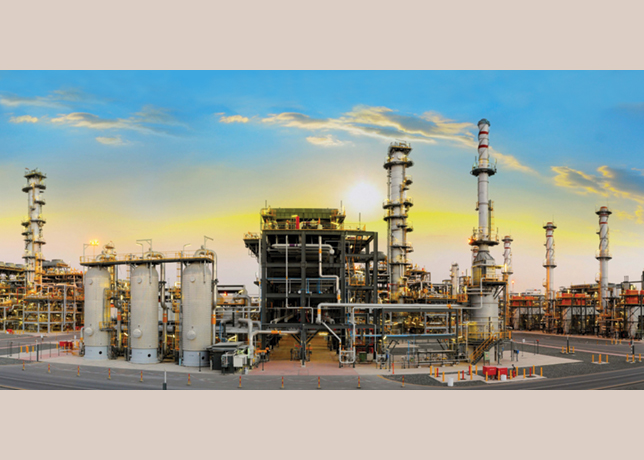







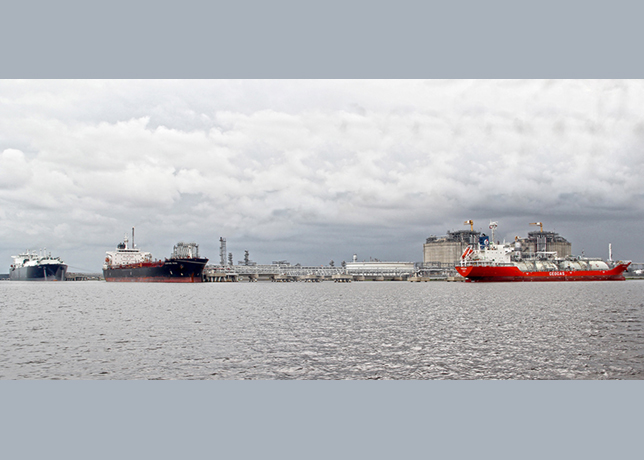


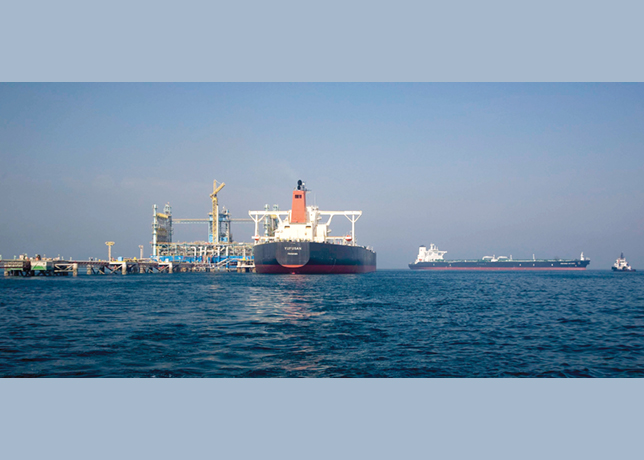


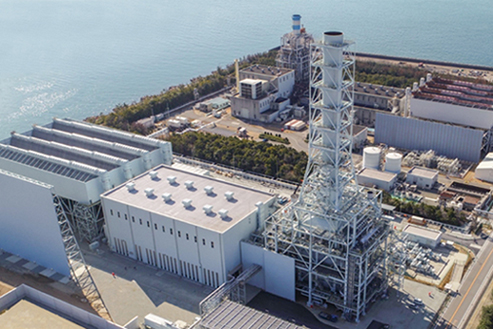
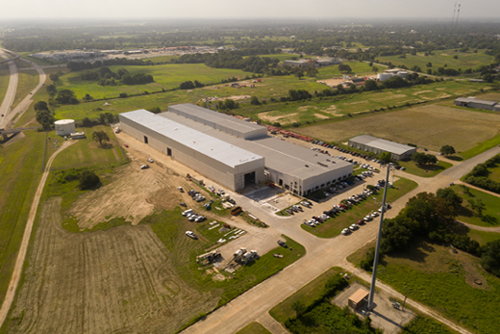

 The Qalhat plant ... striking example of diversification
Already a major contributor to the Sultanate's economy and a key player in global gas markets, Oman LNG is now in expansion mode after securing new offtake agreements from importers.
The company will build a third train at its Qalhat facility to augment the 6.6 million tonnes per year (tpy) capacity from the existing two trains. The third train will have a capacity of 3.3 million tpy.
Officials hope that the new train will start production some time in 2005, with construction due to begin early next year. Estimates have put the cost of the third train at between $500 and $600 million.
Officials said last year that Oman LNG was looking to secure 50 per cent of the offtake before going ahead with a third train and sources have now suggested that Oman LNG has successfully negotiated with BP for some of the offtake.
Meanwhile, Oman LNG completed earlier this year a $1.3 billion refinancing package with 35 banks for its existing two-train facility.
Lead arrangers for the refinancing package were ANZ Investment Bank, Arab Petroleum Investments Corporation (Apicorp), Arab Banking Corporation (ABC), Credit Agricole Indosuez, Credit Lyonnais, Mizuho Group, Gulf International Bank, HSBC Investment Bank, Bayerische Hypovereinsbank, Sumitomo Mitsui Banking Corporation, Bank of Tokyo-Mitsubishi, and Royal Bank of Scotland.
Oman LNG started operations in April 2000 on schedule and within budget, supplying gas in long-term contracts to Japan, South Korea and India.
The company had signed a Sales and Purchase Agreement (SPA) in 1996 with Korea Gas Corporation (Kogas) for 4.1 million tpy of LNG over a 25-year period, and was, at the time, the largest single LNG sales contract ever signed between a single seller and single buyer. It also reinforced the project's original financial viability.
In addition to the SPA with Kogas, Oman LNG also has long-term LNG offtake agreements with Japan's Osaka Gas for 0.7 million tpy for 25 years from last November; and Dabhol Power Company (DPC) of India for 1.6 million tpy of LNG for 20 years starting later this year.
However, the latter deal has been thrown into some doubt following the collapse of US firm Enron, which held a share in DPC.
Oman LNG's agreement with DPC to supply gas is, however, ''technically still valid'' said Shell, a shareholder in Oman LNG.
DPC entered into the 20-year 'take or pay' agreement with Oman LNG in 1998, under which Oman LNG would supply 1.6 million tpy to DPC. As per the contract, the first shipment had been slated between November last year and February this year.
Legally, DPC has until November to break the agreement, by which stage officials expect both sides to be in a position to look for alternatives.
Oman LNG has been increasingly on the lookout for spot buyers following difficulties at India's Dabhol project.
The original long-term deals have been supplemented by smaller contracts signed recently. Earlier this year, Oman LNG signed an agreement with Shell Western, a subsidiary of the Royal Dutch/Shell Group, for the supply of 700,000 tpy of LNG.
The five-year deal provides for the acquisition by Shell Western of Omani natural gas for the supply of its clients in Spain.
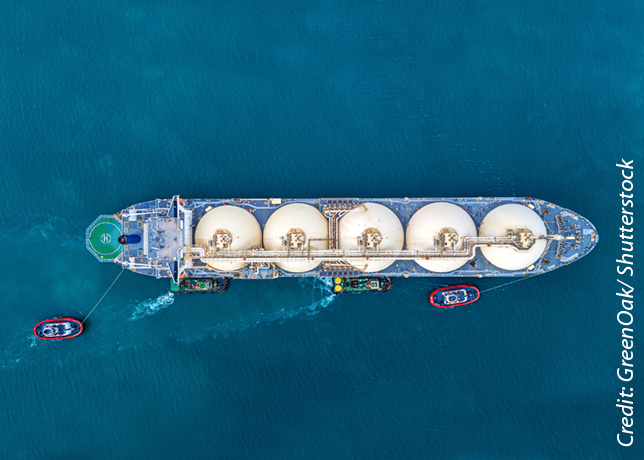
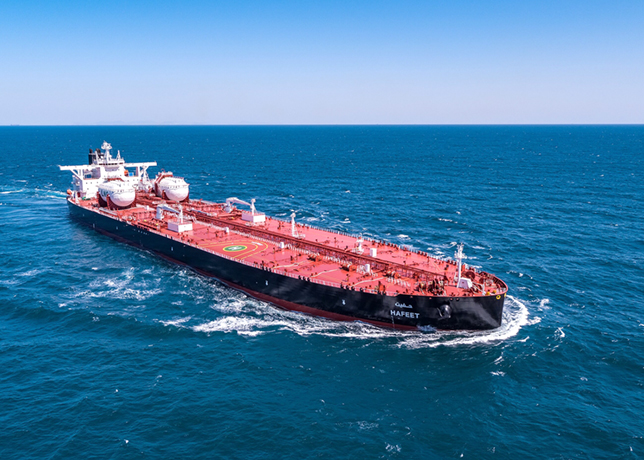
Meanwhile, Gaz de France (GdF) will import nine 138,000 cu m cargoes of LNG - 500,000 tonnes in total - from Oman LNG this year.
The deal, according to international reports, will help advance GdF's plans to become a major LNG player and gives it more diversity in supply sources. The company will receive the gas throughout the course of this year.
The GdF deal raises Oman LNG's spot sales for this year to 1.2 million tonnes. In addition to the deal with Shell Western, the company already had supply agreements with TotalFinaElf, BP, CMS, Sempra and Cabot LNG.
Oman LNG is a striking example of the Omani government's efforts to diversify the national economy. It represents the largest construction project ever undertaken in the Sultanate, and it is also the lowest cost LNG producer in the world.
LNG exports are, for example, expected to add up to 10 per cent of Oman's GNP over the next 25 years.
The history of Oman LNG goes back more than a decade, when significant volumes of non-associated gas were discovered in Central Oman. The Royal Dutch/Shell Group offered to undertake an LNG feasibility study, which was subsequently accepted by the Omani government. A joint venture company was then set up to handle the project.
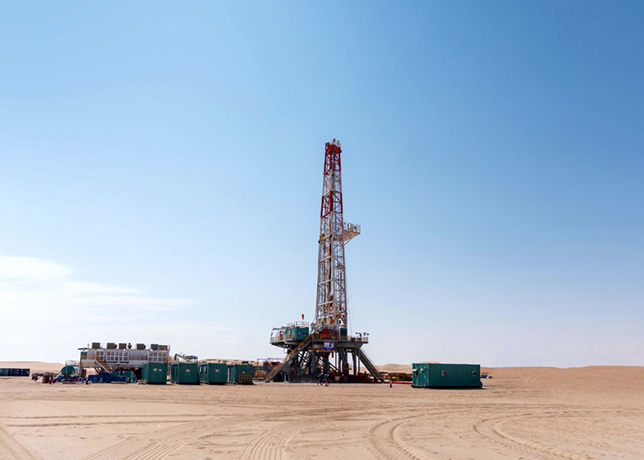
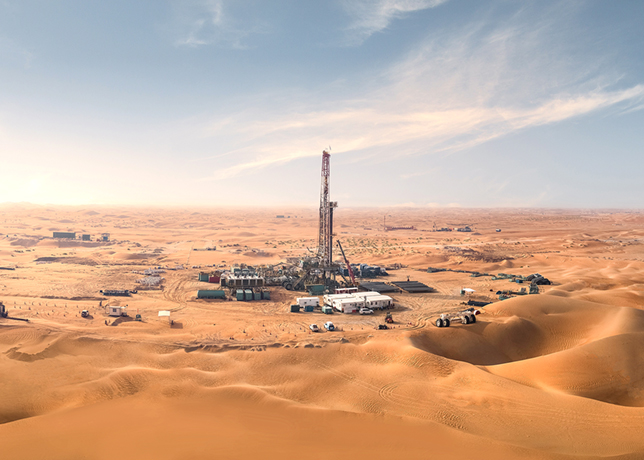
Today, natural gas is supplied from the Barik, Saih Nihayda and Saih Rawl gasfields, and this gas is transported to a gas gathering plant at Saih Rawl in the central Oman gasfield complex, operated on behalf of the government by PDO.
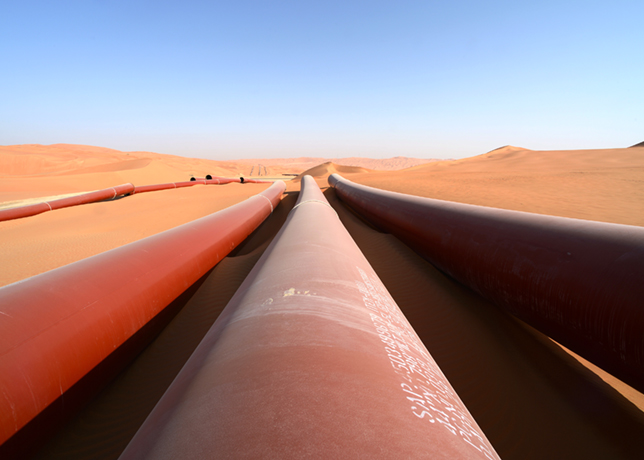
The PDO-operated gas pipeline to Qalhat is 360 km long and 48" in diameter, and has a capacity of 34 million cu m of gas per day.
The upstream part of the Oman LNG project is 100 per cent-owned by the government and includes approximately 40 producing gas well and 553km of gas pipelines. The upstream portion cost nearly $2 billion, financed by the government through independent loans separate from the downstream project.
The upstream part of the project also produces around 65,000 barrels of natural gas liquids (NGLs) as well as the natural gas for the downstream LNG plant.
Oman LNG is owned 51 per cent by the government of Oman and 30 per cent by Shell. Other shareholders are TotalFinaElf (5.54 per cent), Korea LNG (five per cent), Mitsui (2.77 per cent), Mitsubishi (2.77 per cent), Partex (two per cent) and Itochu (0.92 per cent).


