





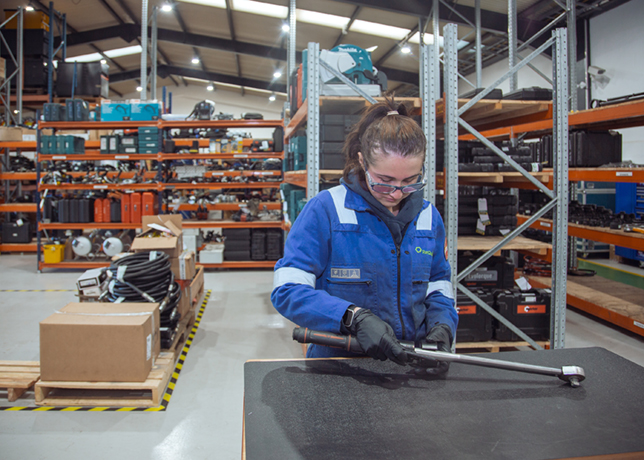







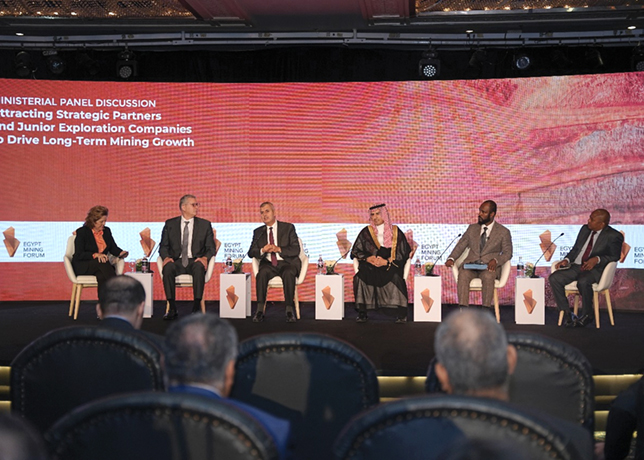

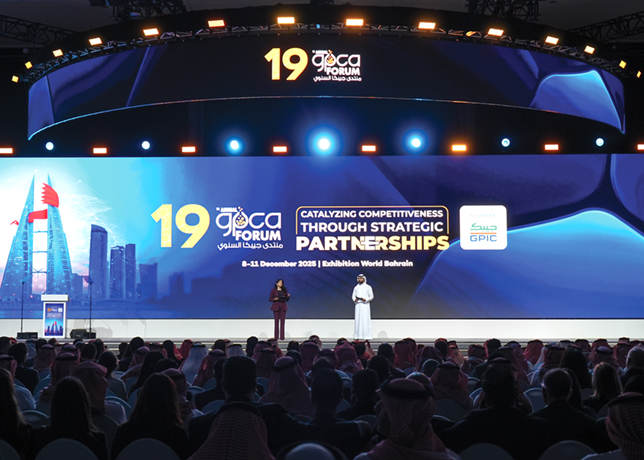
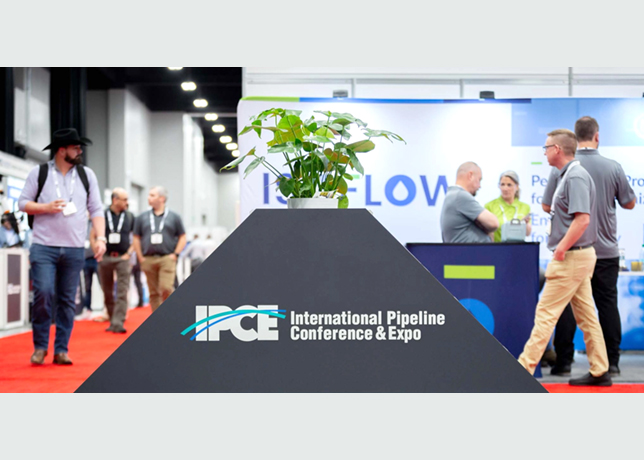































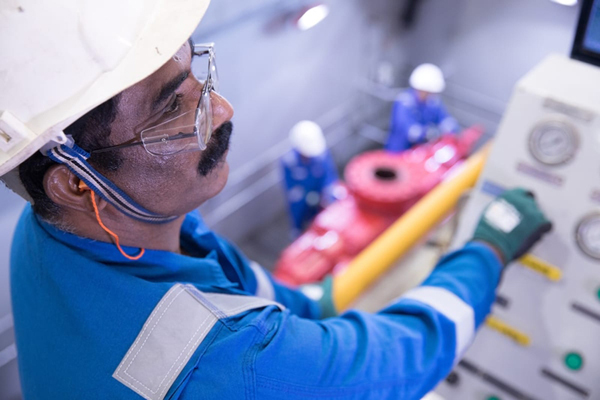


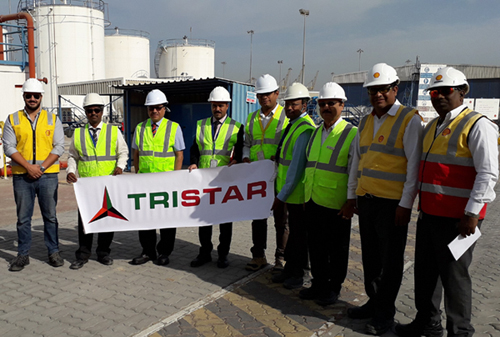





 PDO is said to have agreed to support the programme
Having a highly-skilled Omani workforce is seen as an essential ingredient to making Oman's oil and gas industry highly efficient and able to compete with the best in the world.
The Oman Society for Petroleum Services (Opal) has been charged to train 1,000 Omanis for jobs in the oil and gas industry following the signing at the beginning of this year of a memorandum of understanding (MoU) between Opal and the Ministry of Manpower.
Opal was established by a ministerial decision in October last year, and has moved quickly to commence implementing its objectives. Opal members are companies working in the oil and gas sector including oil and gas producers, refiners, marketing companies, contractors and suppliers.
Opal aims to provide a single umbrella body to agree and promote standards of work competence and professionalism, with a view to Oman's oil and gas industry being recognised as world class and internationally competitive. In this regard, Opal has a special focus on Omanisation, training and development, health safety and environment (HSE), quality assurance and best practices.
The Opal programme will identify vacancies and training needs in the industry, identify the training programmes, and select the appropriate training providers. That the training programmes will, according to reports, be fit-for-purpose, internationally benchmarked and agreed by the employers.
The programme also proposes to get the trainees into jobs so it is important that the selection process of trainees and training providers identifies the very best. Opal membership also ensures that employers are engaged in the process and committed to the success of the programme.
The oil and gas industry employs a wide range of technical and services jobs, which range from unskilled to highly skilled. The programme is open to all levels of ability from unqualified early school leavers up to secondary school leavers not progressing on to university. Opal aims to get unskilled and semi-skilled jobs filled very quickly with short training programmes covering the basic skills required, safety and work ethic. More technical and supervisory opportunities shall require longer training programmes culminating in vocational qualifications or diplomas.
The Opal programme shall have access to the training programmes run by major oil and gas companies.
PDO, Oman Refinery Company (ORC) and Occidental of Oman (Oxy) were said to have already agreed to support the programme and provide training place opportunities for Opal trainees.
Other training programmes shall be sourced from the premier training providers in the country who satisfy Opal's strict international benchmark criteria.


