





























Achieving lower carbon pathways requires a pragmatic approach that balances ambition with action in this high-stakes environment.
While renewables will more than double by 2040, oil will stay above 100 million barrels per day (bpd) beyond 2040, increasingly used for materials.
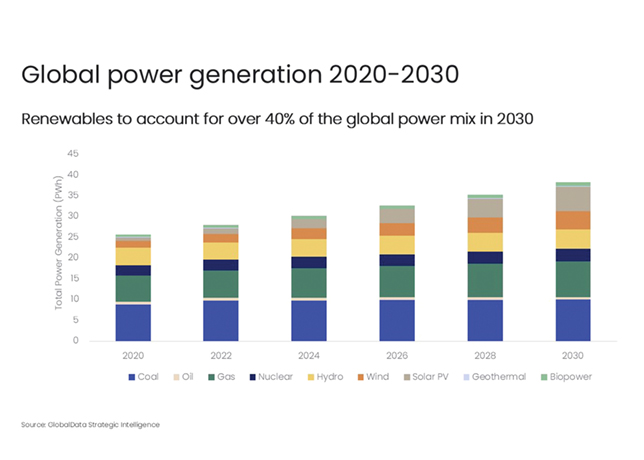
Clean power surpassed 40 per cent of global electricity generation in 2024, driven by record growth in renewables, especially solar.
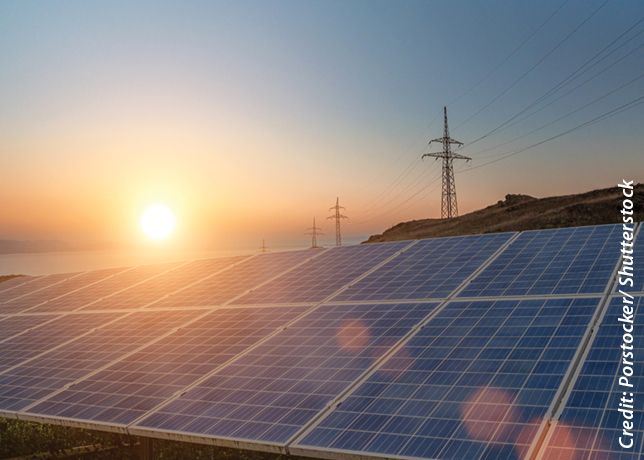
Solar power has become the engine of the global energy transition, with generation doubling over the last three years to reach over 2,000 TWh.
Solar was the largest source of new electricity generation globally for the third year in a row, adding 474 TWh.
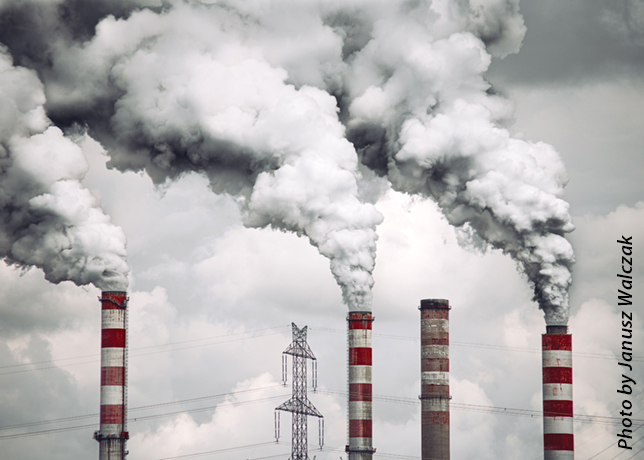
However, heatwaves contributed to high growth in electricity demand which resulted in a small increase in fossil generation, driving up power sector emissions to an all-time high.
Global energy-related CO2 emissions reached a record 38.2 gigatonnes in 2024.
In IEA’s Stated Policies Scenario (STEPS), global energy-related CO2 emissions will peak in the next few years and fall to around 35 gigatonnes by 2035.
By 2050, global CO2 emissions in this scenario will be below 30 gigatonnes, a level last seen in 2005.
The share of fossil fuels in the global electricity generation mix declines from 60 per cent in 2024 to less than 40 per cent by 2035 and just 20 per cent by 2050 in the STEPS.
Renewables expand to deliver over half of global electricity generation by 2035 and more than two-thirds by 2050.
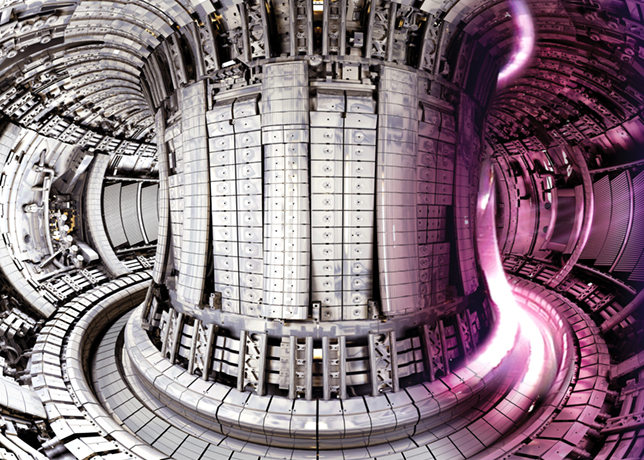
Nuclear power is also making a comeback, joining the fray with investment rising in both traditional large-scale plants and new designs like small modular reactors.
More than 40 countries now include nuclear energy in their strategies and are taking steps to develop new projects.
Global nuclear power capacity is set to increase by at least one-third to 2035 after more than two decades of stagnation.
Achieving these pathways requires global collaboration across the energy sector and partnerships across sectors.
According to Global renewable energy investments hit $807 billion in 2024, global investments in the energy transition reached a new record of $2.4 trillion in 2024.
About one-third of this was directed towards renewable energy technologies, pushing the sector’s investment to $807 billion.
However, 90 per cent of investment in energy transition technologies remained concentrated in advanced economies and China, leaving emerging and developing countries behind.
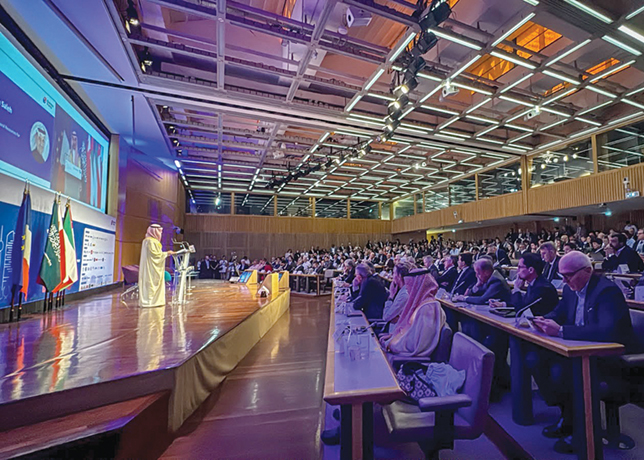
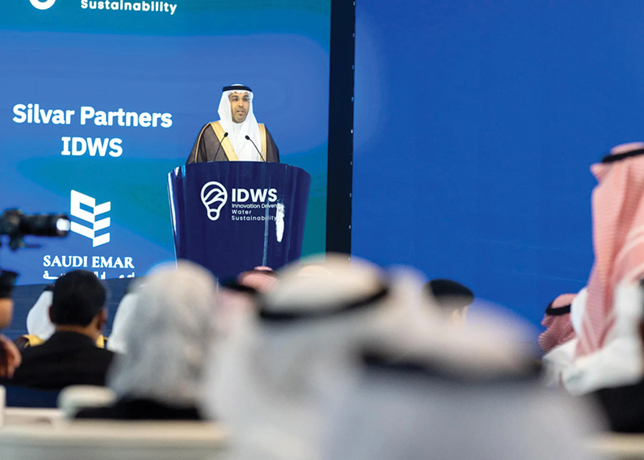
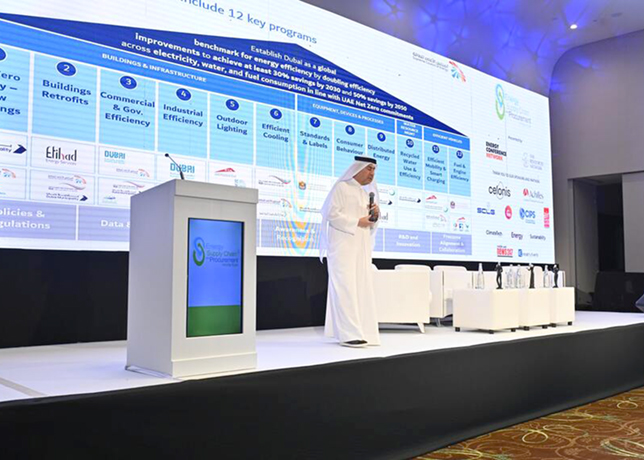
Dr Sultan Al Jaber, the UAE Minister of Industry and Advanced Technology, and Managing Director and Group CEO of ADNOC, during his speech at ADIPEC 2025, noted that more than $4 trillion in annual investment is needed to meet global energy goals.
He said: "The fact is that capital is available, but the right structures are needed to de-risk it and ensure it flows to the right places."
Policies must enable progress, not obstruct growth, and be pragmatic rather than performative, he added.
International collaboration is paramount, with energy companies urged to step up their diversification strategy and pursue strategic alliances.
Through international investment arms, companies are closing gas deals across continents and building global chemicals footprints.
China and India are breaking the long-standing link between electricity demand growth and fossil fuel expansion by deploying clean generation at a world-leading scale.
In 2024, China’s clean electricity additions met 81 per cent of its demand growth, while India’s solar capacity additions in 2024 doubled compared to 2023.
Collectively, emerging economies led by India and Southeast Asia are taking up the baton from China in shaping energy market dynamics.
To close the gap in energy access, the new ACCESS scenario outlines a pathway to universal access to electricity by 2035 and clean cooking by 2040.
This requires an average of 80 million people gaining access to electricity each year to 2035.
Closing the access gap worldwide requires $4 billion each year for clean cooking until 2040 and around $23 billion each year for electricity until 2035.
While private sector involvement is expanding, public and concessional financing remains vital to attract capital to underserved segments.
Real progress is never the work of one single individual or company; it happens when we move with purpose and recognise that the most powerful resource is the resilience that binds us.
As the world navigates this complex landscape, the focus must remain on the data, not the drama, balancing cost discipline with capital investment to meet the growing demand for every form of energy.