






















 Cobalt, lithium, copper, and PGMs from Africa drive energy transition
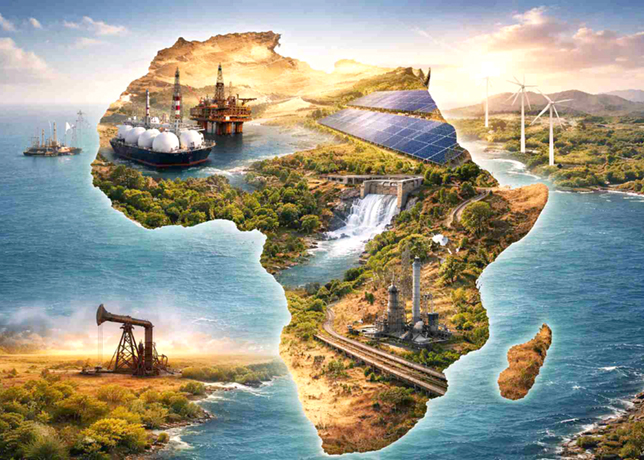
As the global shift toward clean energy accelerates, Africa is emerging as a pivotal supplier of the critical minerals required for renewable technologies and electric vehicles.
According to the African Energy Chamber’s State of African Energy 2026 Outlook, the continent’s vast reserves of cobalt, lithium, copper and platinum group metals place it at the centre of global clean energy supply chains.
Demand for these minerals is expected to rise up to five-fold by 2035 as solar, wind, battery storage and EV production expand.
However, supply constraints, geopolitical tensions and concentrated refining capacity are increasing the need for diversified and reliable sources.
Africa meets this need, leading global production of cobalt, copper, gold and PGMs in 2024 while rapidly scaling lithium output. Key producers include the DRC, Zambia, Zimbabwe, Mali, Namibia, South Africa and Morocco.
The DRC dominates global cobalt supply, accounting for over half of worldwide production, and is pursuing domestic refining, ethical sourcing and export controls to stabilise prices and capture more value.
Africa also produced over 124,000 tonnes of lithium carbonate equivalent in 2024, led by Zimbabwe, with competitive production costs and growing state participation.
Rising US, EU and Chinese investment, alongside major infrastructure projects like the Lobito Corridor, underscores Africa’s essential role in securing global energy transition supply chains.
"Africa’s mineral wealth is not just a resource; it is a strategic asset for the global energy transition. By fostering local beneficiation, ethical production, and sustainable supply chains, Africa can drive industrialisation, create jobs, and secure its position at the heart of the clean energy economy," states NJ Ayuk, Executive Chairman, AEC.