








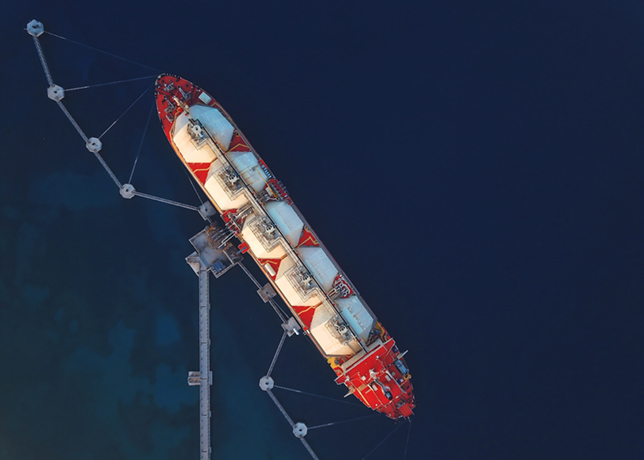





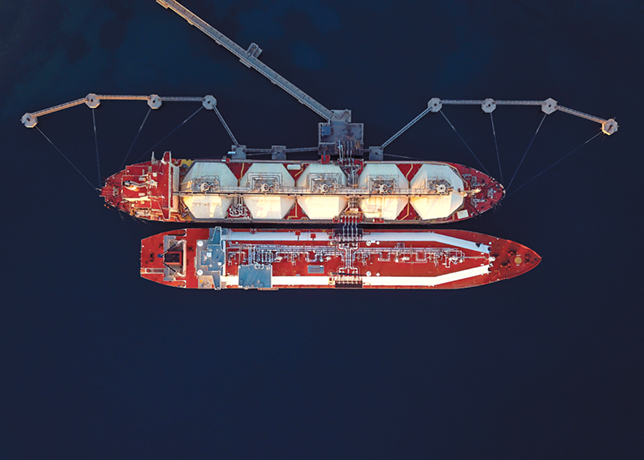




With the European Union (EU) set to ban Russian LNG and pipeline gas imports by 2026–2027 under the REPowerEU roadmap, Africa faces a strategic opportunity to expand its energy role.
The EU agreement phases out short-term contracts by 2026 and long-term agreements by 2027, with member states required to submit diversification plans under strict European Commission oversight.
Russia currently supplies 13 per cent of EU gas, worth over €15 billion ($17.5 billion) annually, highlighting Europe’s dependence and potential for African suppliers.
North Africa—led by Algeria, Egypt, and Libya—currently provides two-thirds of Africa’s gas, though West and East African producers are expected to grow.
Africa’s 620 trillion cubic feet of proven reserves, including Nigeria’s Niger Delta (113 tcf) and Mozambique’s Rovuma Basin (129 tcf), position it to meet Europe’s demand.
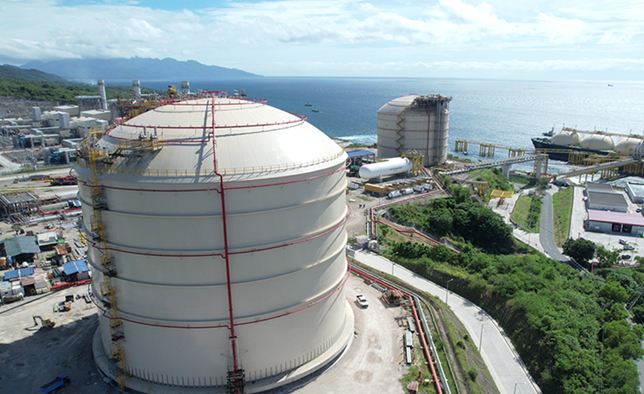
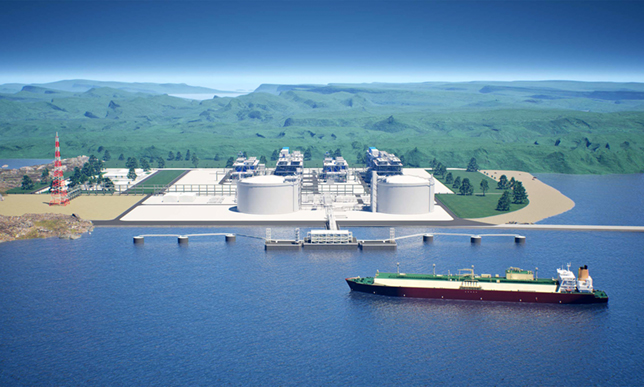
Projects like Greater Tortue Ahmeyim, Congo LNG Phase 2, and Mozambique LNG illustrate readiness for export.
Balancing international sales with domestic needs—over 600 million without electricity—remains critical, with initiatives like GTA allocating gas for local consumption.