



$180 billion infrastructure offensive transforms Kingdom into a manufacturing powerhouse through integrated refining and petrochemicals expansion
Saudi Arabia’s energy sector is undergoing its most ambitious transformation in history, with flagship mega-projects representing engineering excellence on an unprecedented scale.
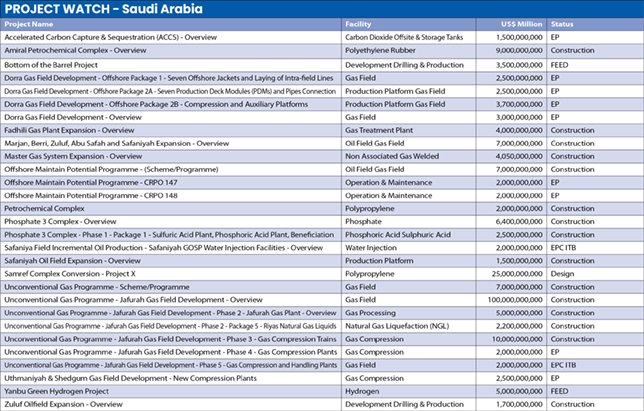
The Kingdom has committed over $180 billion across three cornerstone developments, including Jafurah unconventional gas, Amiral petrochemicals, and Zuluf offshore oil, that will fundamentally reshaping its industrial capacity and global market position.
These initiatives, substantially updated in 2025, integrate upstream hydrocarbon extraction with downstream processing in ways that maximise efficiency and value creation across the entire production chain.
STRATEGIC GAS EXPANSIONS
The Jafurah unconventional gas field achieved a critical milestone in December 2025 when Saudi Aramco brought Phase 1 production onstream with a capacity of 450 million cu ft per day (mmscfd), according to the Saudi Finance Ministry.
Located in the Eastern Province, the $100-billion project represents the largest unconventional gas development outside the US, with estimated resources of 229 trillion standard cu ft (Tcf) of raw gas and 75 billion stock tank barrels of condensate.
Production is projected to reach 2 billion cu ft per day (bcfd) by 2030, positioning Saudi Arabia amongst the world’s top natural gas producers.
In August 2025, BlackRock’s Global Infrastructure Partners led an $11-billion lease-and-leaseback transaction involving Jafurah’s midstream assets, creating the Jafurah Midstream Gas Company in which Aramco retains 51 per cent ownership.
Phase 2 contracts valued at $12.4 billion were awarded in June 2024, covering gas compression facilities, the Riyas natural gas liquids fractionation plant, and expanded processing trains.
In November 2025, GE Vernova announced the start of commercial operations at the Jafurah Cogeneration Independent Steam and Power Plant, featuring the company’s first H-Class gas turbine completed in Saudi Arabia.
The Jafurah development directly supports the Kingdom’s objectives to displace liquid fuels in power generation, supply feedstock for petrochemicals, and provide energy for emerging sectors including artificial intelligence (AI) data centres, as articulated by Amin Nasser, Aramco President.
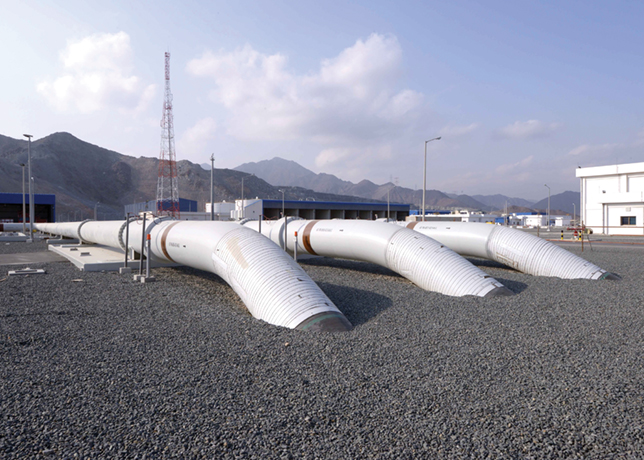
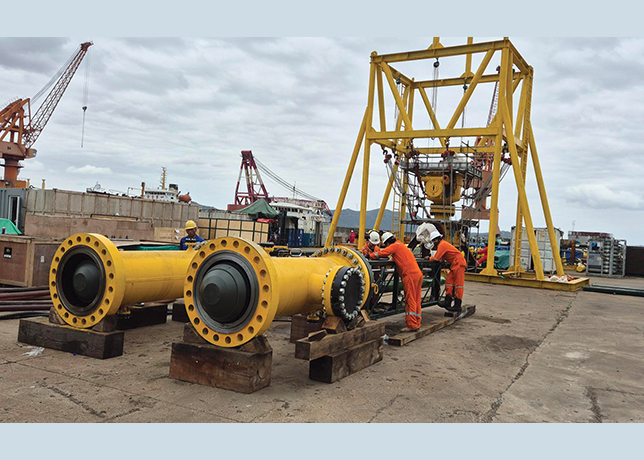
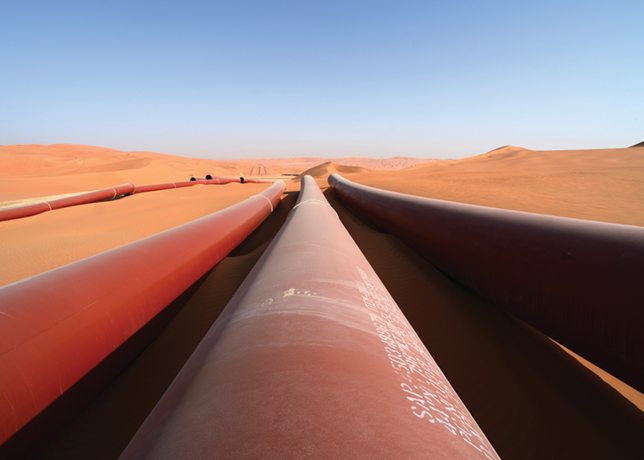
Samsung Saudi Arabia contracted Belgium’s Saren for heavy rigging work across the 1,500-km network of transfer pipelines, flowlines, and gathering infrastructure.
Production from Jafurah will yield approximately 418 mmscfd of ethane and 630,000 barrels per day (bpd) of gas liquids and condensates, essential feedstock for the Kingdom’s expanding petrochemical industry.
PETROCHEMICAL INTEGRATION ADVANCES
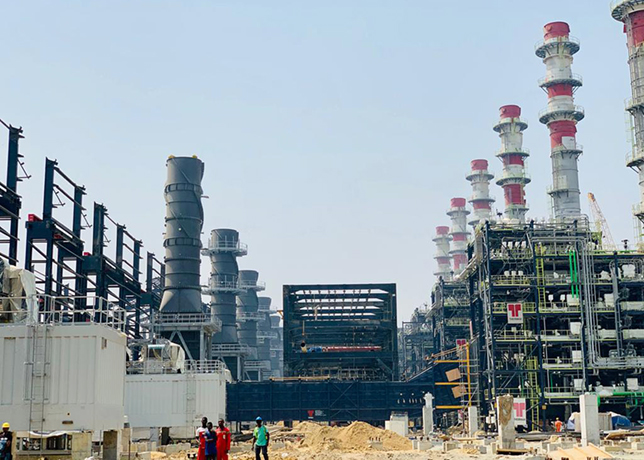
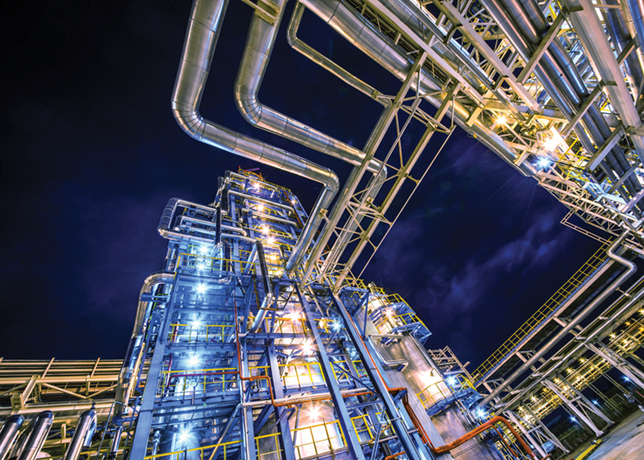
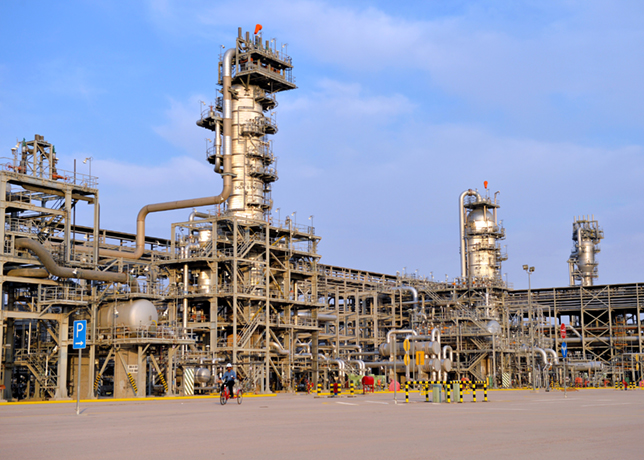
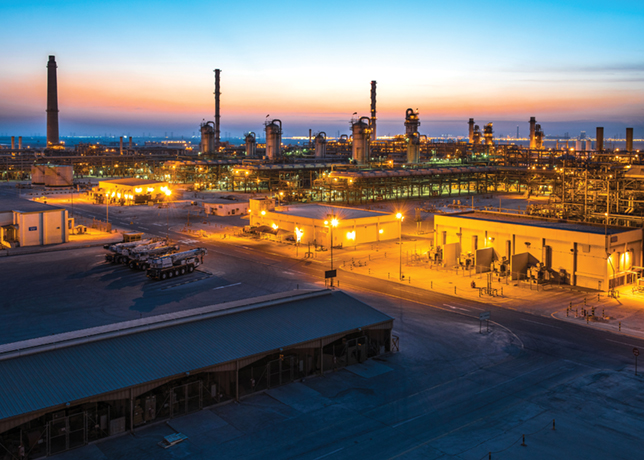
The Amiral petrochemical complex represents Aramco and TotalEnergies’ $11 billion commitment to integrated refining and chemicals production at the SATORP refinery in Jubail.
Construction commenced in June 2023, with commercial operations scheduled for 2027.
The facility features a mixed-feed steam cracker with 1.65 million tonnes per year (mtpa) ethylene production capacity, two polyethylene lines each producing 500,000 tonnes annually, and units for extracting butadiene, aromatics, and high-value derivatives.
The complex will convert feedstock produced directly by the SATORP refinery, including off-gases and naphtha, as well as ethane and light naphtha supplied by Saudi Aramco.
Hyundai Engineering secured the $5 billion contract for the mixed-feed cracker, Tecnicas Reunidas got contracts worth $3.2 billion for the natural gas liquids fractionation facilities, while Larsen and Toubro Energy Hydrocarbon secured $3.9 billion in contracts for gas processing plants and compression units.
The project is designed to supply a specialty chemicals park in the Jubail Industrial City, attracting more than $4 billion in additional investment across carbon fibres, lubricants, drilling fluids, detergents, food additives, automotive parts, and tyre manufacturing.
The Amiral complex incorporates sustainability measures, including using hydrogen co-produced by the steam cracker to replace methane fuel in SATORP’s refinery furnaces, reducing carbon intensity in line with TotalEnergies’ net-zero commitments.
Italian manufacturer ORION completed a 114-inch wedge gate valve weighing over 120 tonnes in December 2025, described as a milestone redefining industrial manufacturing limits for the project.
The development is expected to generate 7,000 direct and indirect jobs, with training programmes jointly provided by TotalEnergies and Aramco.
OFFSHORE EXPANSION
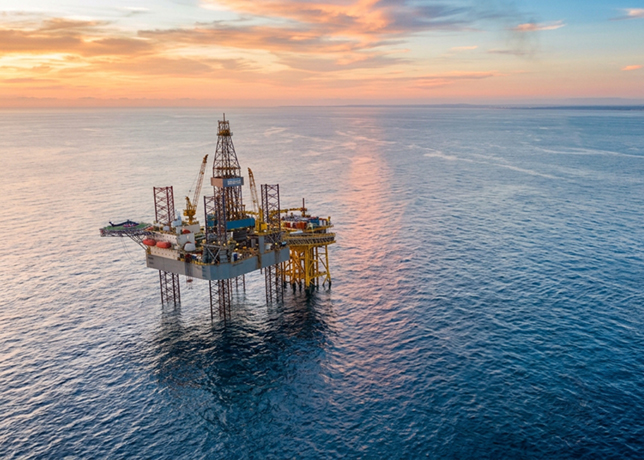
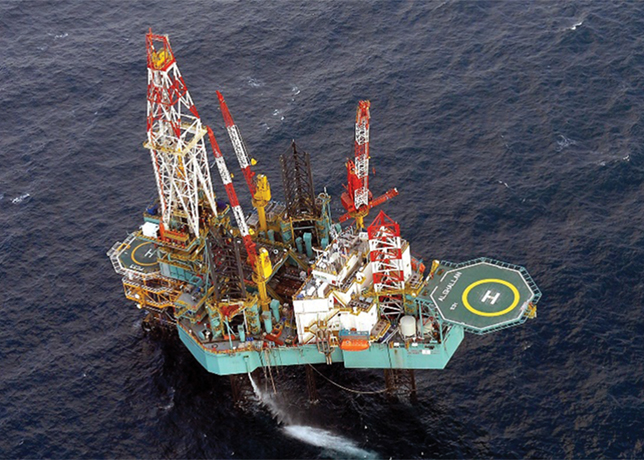
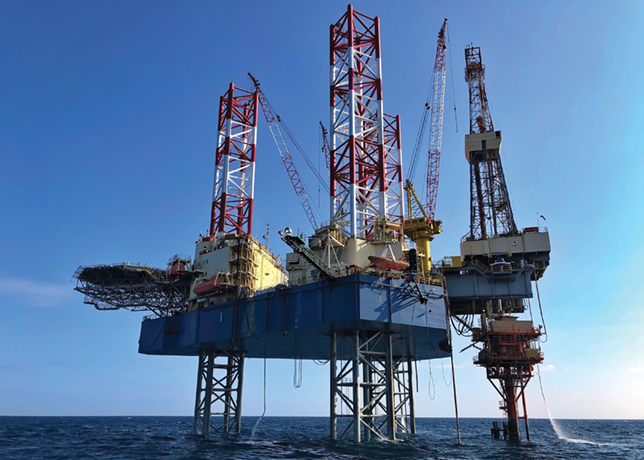
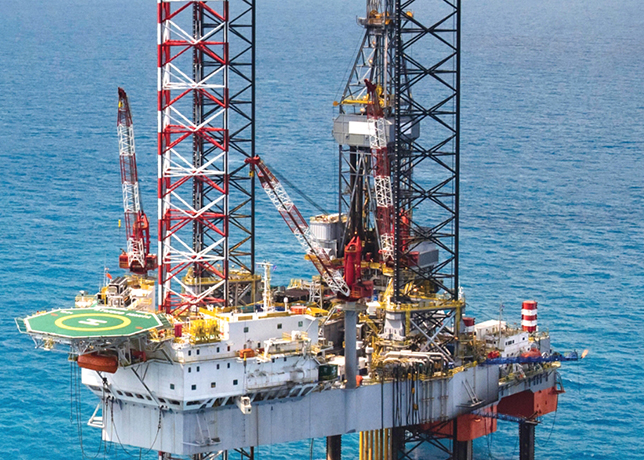
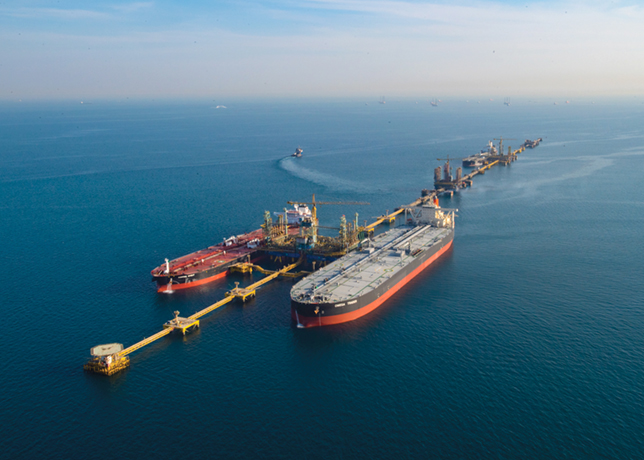
The Zuluf oilfield expansion progresses through multiple offshore packages designed to add more than 600,000 bpd of Arabian Heavy crude production capacity.
Located 40 km offshore in the Arabian Gulf at shallow water depths of 40 m, Zuluf ranks amongst Saudi Arabia’s super-giant fields with proven reserves exceeding 31 billion barrels of oil-equivalent (boe).
Aramco awarded fresh contracts in July 2025 for four offshore packages worth approximately $5 billion.
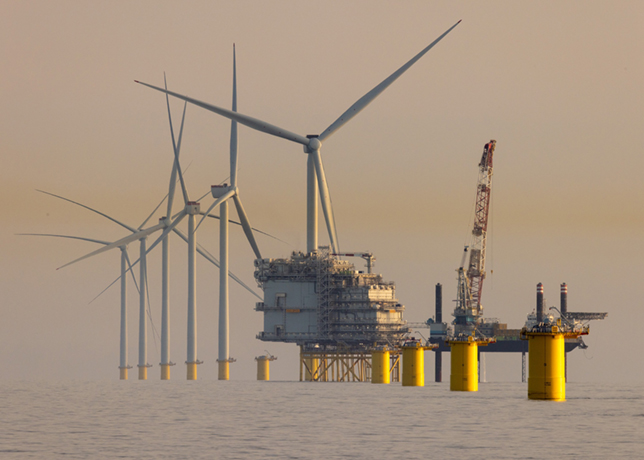
Package 4 of Zuluf encompasses 12 oil-handling wellhead topsides, two oil tie-in platforms, one electrical distribution platform, and an extendable draft platform with associated jacket structures.
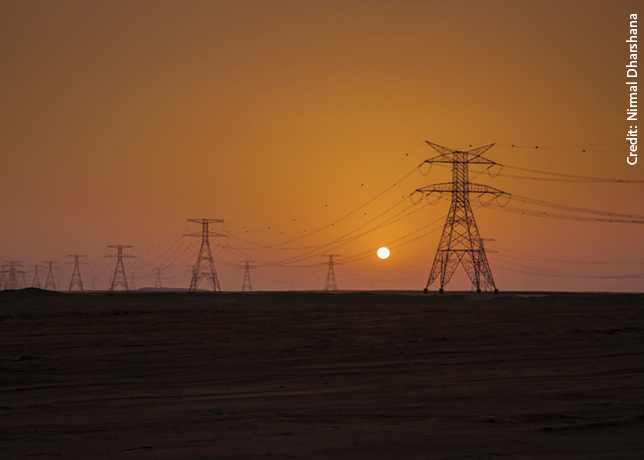
The infrastructure includes 7 230-kilovolt (kV) cables, extending 80 km from landfall to offshore installations, 13 15-kV cables, 10 subsea valve skids, 10 umbilicals, 6 flexible pipelines, and 9 rigid pipelines.
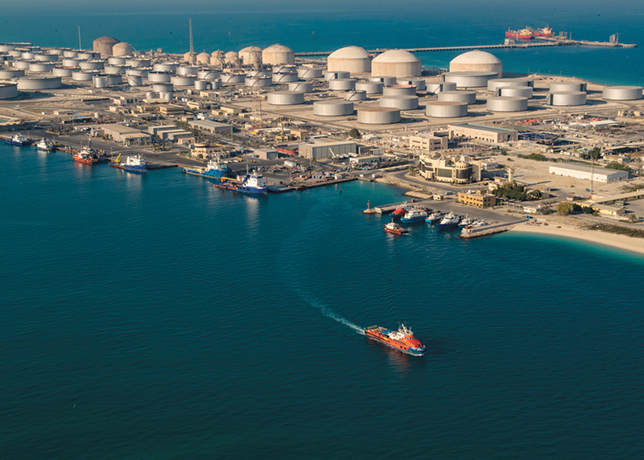
Onshore developments include a new two-train gas oil separation plant processing 600,000 bpd, gas compression facilities, water injection infrastructure, and downstream pipelines to Ju’aymah terminal.
The separated gas and condensate will be transported to the Tanajib gas plant through new dedicated pipelines.
In February 2025, Arab Qatar Petroleum Construction Company completed line pipe coatings and loadouts for Package 4.
These three flagship developments underscore Saudi Arabia’s manufacturing prowess while demonstrating the sector’s contribution, approximately 40 per cent to the Kingdom’s GDP.
The integration of refining with upstream development exemplifies end-to-end efficiency, particularly evident in Aramco’s conversion of oil directly into petrochemicals at facilities designed for maximum resource utilisation.