


















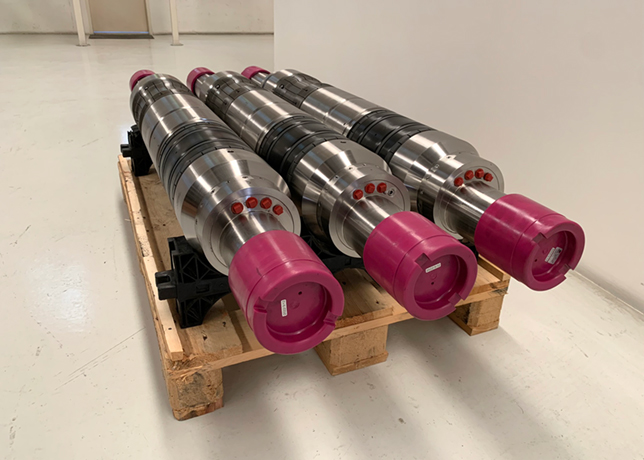















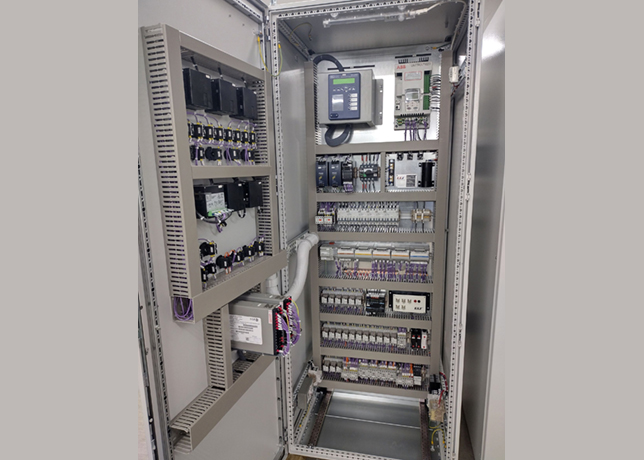
 A brushless excitation control unit
Brushless systems eliminate the regular wear points that can disrupt voltage stability over time, so the voltage remains reliable and consistent without frequent intervention, Matthew Slater tells OGN
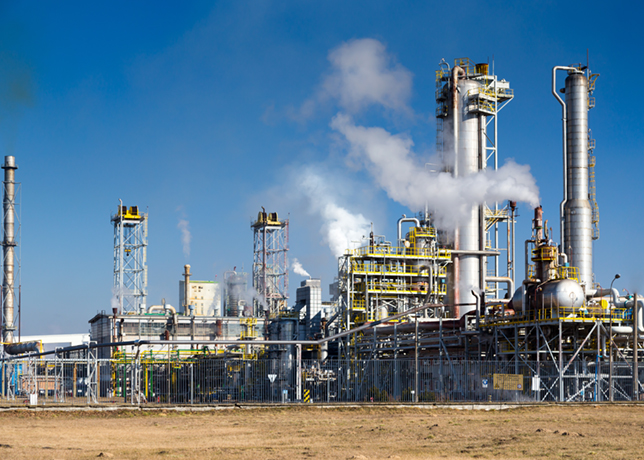
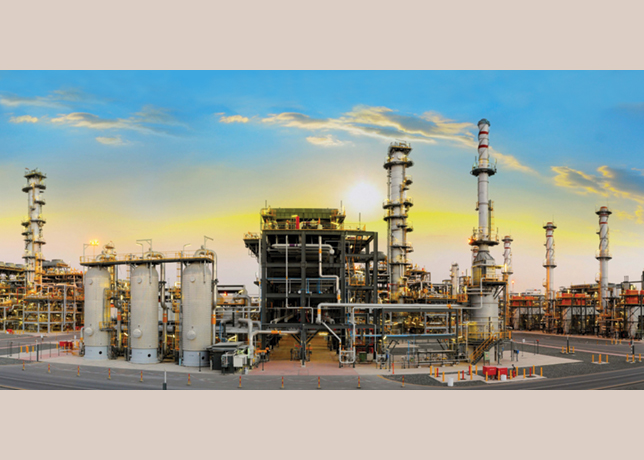
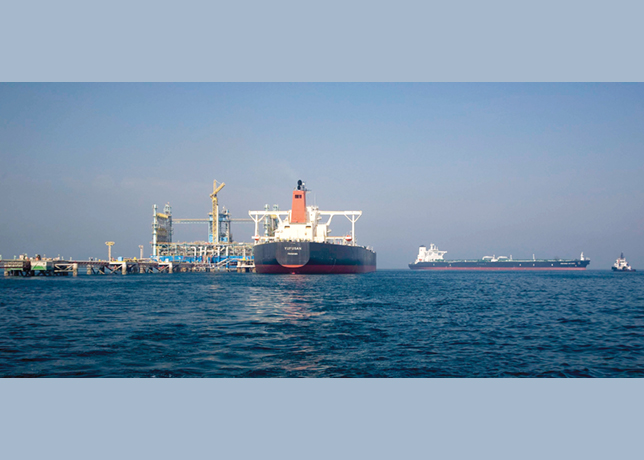
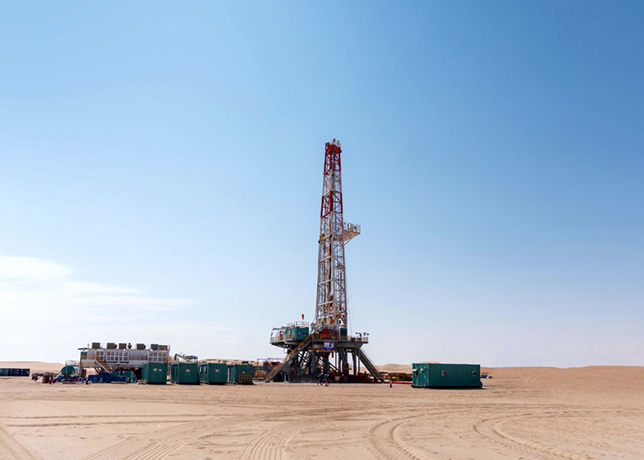
With over 93,000 oil and gas exploration and production businesses operating worldwide in 2024, these facilities are still key to many modern economies.
However, beneath the surface lies a network of electrical systems that ensure continuous operations.
Thus, it becomes crucial to enhance voltage stability, reduce maintenance and improve reliability in these production facilities.
Here excitation systems play a pivotal role in addressing these power demand challenges.
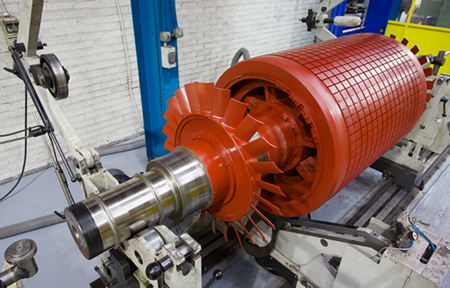
By regulating generator voltage and providing reactive power support, they supply direct current (DC) power to the generator field windings, creating a magnetic field in the rotor that induces alternating current (AC) in the stator.
A well-designed excitation system precisely controls the generator voltage, rapidly adjusting to load fluctuations.
It can handle sudden shifts without triggering instability and normally includes features like fault detection and limiters for quick corrective actions.
While oil and gas facilities often operate in isolated or islanded modes, disconnected from the national grid, voltage stability and reactive power support remain critical.
In cases where local grid codes apply, such as the Saudi Arabian Grid Code, facilities may be required to comply.
However, many operate under less regulated requirements due to their independent or microgrid status.
In an exclusive interview with OGN energy magazine, Matthew Slater, Director at excitation specialist Excitation & Engineering Services (EES), explores how brushless excitation systems offer improved reliability and reduced operational costs, ideal for decentralised or remote installations.
Below are the excerpt from the interview:
What specific design features of brushless excitation systems enable faster voltage regulation compared to static systems?
Brushless systems are not designed for speed over static systems. In fact, static systems often respond slightly quicker because they can apply a negative field instantly, which brushless systems cannot.
The value of brushless lies elsewhere. By removing brushes and commutators, it eliminates the regular wear points that can disrupt voltage stability over time, so the system remains reliable and consistent without frequent intervention.
The focus is on steady performance rather than reaction time.
How are brushless excitation systems engineered to resist environmental stressors, such as saltwater corrosion or extreme temperatures, in offshore or desert environments?
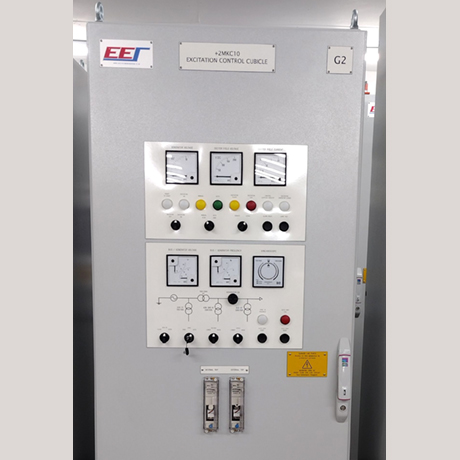 |
An excitation control cubicle |
Brushless systems eliminate the brushes and slip rings that are prone to wear and sparks, which is critical in environments with corrosive air or explosion risks.
Many oil and gas sites require explosion-proof equipment, and the absence of sliding electrical contacts makes the system inherently safer.
Materials and coatings are chosen to withstand heat, moisture and salt exposure, while enclosures are rated to keep dust and debris out.
Over time, this means operators can focus on their core work rather than constantly maintaining the exciter.
How do EES’s brushless excitation systems ensure compliance with specific grid codes, such as the Saudi Grid Code, in terms of voltage stability and reactive power support?
Compliance begins with detailed calculations for each site. We establish the required fault ride-through and forcing margins and use these to determine the excitation supply voltage needed to meet the grid code.
The system is then engineered to maintain stability through load swings and disturbances. It is not a generic solution; the excitation system is tuned for the operational profile of the plant, ensuring it behaves predictably under the specific rules of the local network.
Can you provide examples or estimates of the cost savings achieved by using brushless excitation systems in oil and gas facilities?
Brushless systems do not necessarily save money on the upfront equipment cost, they tend to cost a similar amount to static systems of the same rating.
The choice usually comes down to safety and operational performance.
Sites that operate in hazardous environments value the reduced risk of sparks and the reliability of fewer moving parts.
These factors reduce downtime and long-term maintenance costs, which is where the financial benefit becomes apparent, even if it cannot be pinned down to a simple figure.
How frequently do brushless systems require maintenance compared to static systems, and what is the typical lifespan of an EES brushless system?
Brushless systems need very little maintenance because they have no brushes or sliding contacts to wear down.
A static exciter might require routine inspections and replacements as the brushes degrade, which can interrupt operations.
Brushless systems avoid this entirely. Cubicles typically last 20 to 25 years, while the machines themselves, built with proven designs from the 1960s, can continue running reliably far beyond that, demonstrating the long-term durability that operators can rely on.
How does EES tailor its brushless excitation systems to meet the specific needs of different types of oil and gas facilities, such as offshore platforms versus onshore drilling sites?
Each system is configured to the facility’s specifications. We work out the required forcing margin and ensure the design coordinates with protection relays and the control and alarm systems already in place.
The engineering does not differ dramatically between onshore and offshore, though offshore units often require higher ingress protection.
Essentially, we adapt to the operational and environmental conditions while ensuring integration into the existing electrical and control infrastructure.
How easy is it to retrofit EES’s brushless excitation systems into existing generators or older infrastructure in oil and gas facilities?
Replacing a static exciter with a brushless system is usually straightforward. The challenges increase when converting from a DC system to brushless, but for most retrofits, integration is uncomplicated.
The system connects into the generator, works with existing protection, and provides the low-maintenance operation without needing extensive modifications.
Can you share specific case studies where EES’s brushless excitation systems have improved performance or reduced downtime in oil and gas facilities?
Recent oil and gas-specific examples are limited, but hydroelectric conversions illustrate the benefits clearly.
By removing the DC exciter, maintenance intervals increased and outages became less frequent.
The same principles apply in oil and gas: Fewer moving parts translate into less routine attention, fewer operational surprises and more predictable generator behaviour over time.
How do brushless excitation systems align with emerging trends in the oil and gas industry, such as the integration of renewable energy or digital monitoring systems?
Brushless excitation systems operate independently of renewable energy integration or digital monitoring.
They maintain voltage and reactive power regulation without interaction with these systems.
That said, they can be monitored and controlled digitally, just like static or DC systems, meaning operators can integrate them into modern monitoring frameworks without requiring system redesign.
How does EES differentiate itself from other providers of excitation systems in the global market?
EES is not tied to a single manufacturer, which allows us to select the controller best suited to each project.
Our approach is guided by customer requirements rather than sticking with a particular brand or model.
Every project has a technical sweet spot, and by choosing components based on performance and integration needs, we deliver systems that work efficiently across different generator types and operating conditions.