













RLC infrastructure overview
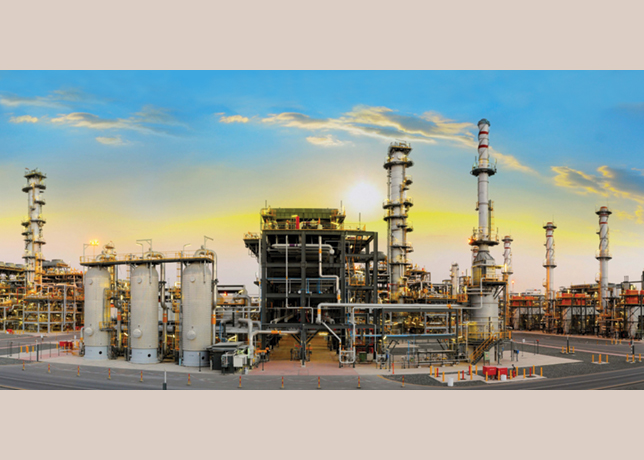
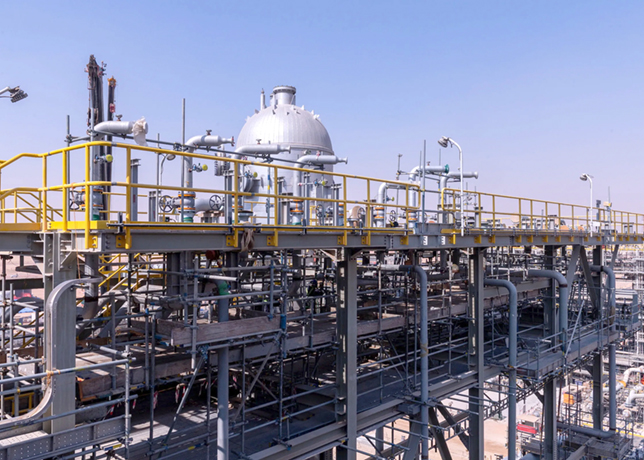
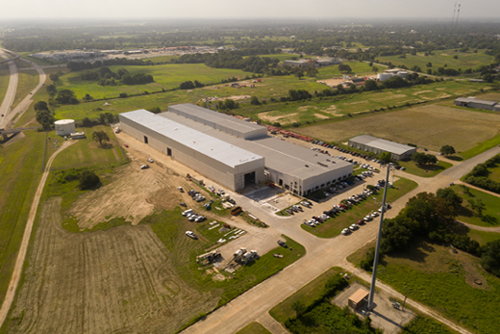
The industrial development area of RLC presently consists of 248 square kilometres of approved development space.
The Industrial Planning and Development Department is responsible for:
• Conceptual planning;
• Land allocation and optimisation;
• Infrastructure planning;
• Regulatory function;
• Master plan maintenance and updating;
• Port development planning;
• Industrial interface and coordination; and
• Special studies.
Land allocation
Land is allocated by RLC following detailed submittals with definitions of needs and requirements, and proposed location by applicants.
Industrial support
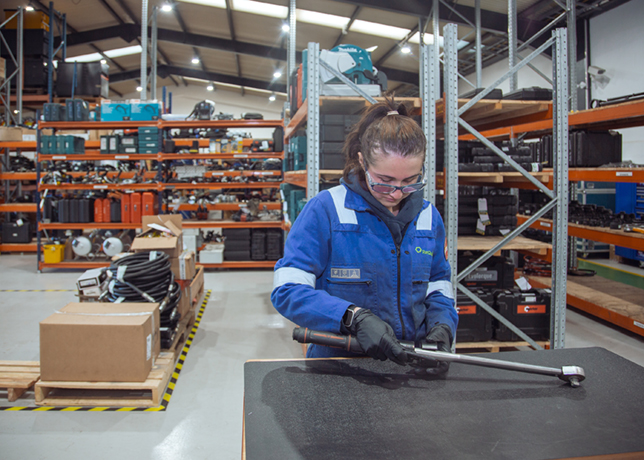
The support services covers an area of 230,000 square metres developed to provide services for industries.
Such services include:
• Heavy duty workshops;
• Warehouses;
• Fabrication yards; and
• Storage yards.
RLC Health, Safety and Environment
RLC Health, Safety and Environment Department strives to create a healthy, safe, secure and environmentally responsible industrial city.
As with any industrial city that strives to be successful, sustainable, safe, healthy, secure and environmentally responsible RLC aims at closely integrating the various components of HSE into its business philosophy, programmes and processes. The services provided in the HSE department include:
• Fire rescue;
• Safety;
• Security;
• Emergency response;
• Environmental conservation; and
• Occupational hygiene.
Environment
The environmental section of Ras Laffan Industrial City establishes and maintains an environmental control system within and outside its facilities.
The quality of the environment in and around Ras Laffan Industrial City is routinely monitored and managed through a comprehensive environmental monitoring programme.
Some of the programmes being implemented at Ras Laffan City are:
• Ballast water monitoring;
• Ground water monitoring;
• Seawater monitoring;
• Air quality monitoring;
• Noise pollution monitoring;
• Sanitary water monitoring;
• Waste management;
• Oil spill surveillance;
• Protection and preservation of the surrounding flora and fauna; and
• Conducting regular environmental awareness programmes.
RLC Facilities Part I
Phase I
• Supplying capacity: 308,000 m3 per hour;
• End users: RLPC, Oryx GTL. RasGas 2, Dolphin Energy Ltd;
• W4 LNG 1 Project: Presently at EPIC Stage;
• End users: QG 2 (Train 4) and BLOC
Phase II
• Supplying capacity: 525,000 m3 per hour;
• Once through end users: Q Power, Qatargas 2 (Train 5) , 3 and 4, RasGas;
• Make Up Cooling Water Reserves: FEED Stage;
• Supplying capacity: 104,000 m3 per hour;
• Make Up Cooling Water Reserves & Desalinated Water End Users;
• Pearl GTL, Barzan Project & IPP 3;
• Future expansion projects will cater to demands of 229,000 m3 per hour; and
• Once Completed Total Capacity: 1,166,000 m3 per hour.
Waste management facility
Manage all nonhazardous operation and construction waste of facilities under RLC and all support activities.
All waste management is regulated by RLC Environmental Regulations and waste received at the facility is preapproved by RLC.
Lined landfills
• Total capacity: 180,000 cubic meters with dedicated cells for endusers based on need;
• Lined with 2.OOmm HDPE liner;
• Leachate collection pipes and sumps for leachate collection; and
• Designed to receive nonhazardous operational waste like catalysts, mole sieves etc;
Land Treatment Unit
• Two units with dimensions of 10 metres x 140 metres;
• Lined with a 2.0 mm HDPE liner;
• Treatment capacity varies based on biodegradation process and weather;
• Soil from spill cleanups around plants, liquid digested sewage sludge wood chips/landscape;
• Trimmings, inert waste pile;
• Unlined facility with estimated capacity 1,000,000 cubic metres; and
• Disposal of construction waste, like insulation waste wood waste, rubble asphalt etc.
RLC Facilities Part II
Utilities Network Potable Water
RLC distributes potable water through a conveniently located tanker filling station and through pipelines to endusers.
• Present distribution is 18,000 cu m/day and is expected to rise to about 32,000 cu m/day; and
• The water comes from Kahramaa through a 24inch pipeline;
Waste water treatment
• RLC owns two sewage plants with combined capacity of 4200 cu m/day;
• Five new plants are commissioned;
• The combined capacity is about 19,000 cu m/day; and
• By the end of the year 2007, RLC will be operating a total of 12 plants with a total capacity of about 45,000 cu m/day.
Accommodation Camp
• Established to provide temporary and permanent accommodation for endusers, EPC contractors and subcontractors personnel.
• The RLC Camp consists of furnished Aorta cabins for approximately 572 executive and senior staff, 800 junior staff and 5520 general workers.
• Recreational facilities such as Outdoor Tennis Courts, Basketball Courts, Swimming Pool, Gym, Squash Courts and Badminton Courts.
Commercial Complex
• Located on Ras Laffan Main Avenue.
• Total rentable space of 1613 sq m.
• Current tenants include airlines office, banks and car rental.
• Spaces available for new office setup, restaurants, food court, banks and consultancies.
Future Projects
Ras Laffan Emergency and Safety College
• MOU signed between Qatar Petroleum & Texas Engineering Extension Service to develop and establish a world class fire and emergency training ground facility at Ras Laffan City.
• 26 Fire and Emergency Response Training Props
• Various courses available in Fire Services, Homeland Security, Public Safety, Search & Rescue, Public Works, Health & Safety
• Master Development Plan for college has been completed; and
• Target construction completion by 2009.
Multi-purpose Administration Complex
Site: 500,000 sq m Site Development at North West side RLC New Expansion Area
Programme
• Office Building: Will accommodate offices for 600 employees including RLC Management with associated support areas, Conference Centre and Canteen;
• City Hall: 1,000seater auditorium, 1,000seater dining hall, exhibition hall, VIP Reception/Hospitality Section and 40seater Conference Room;
• Corporate Training Centre: Will accommodate QP Industrial and Professional training facilities for 400 students including Classrooms, Training workshops, Laboratories, Canteen and Recreational facilities;
• Emergency Operation Centre to be used by crises management team in the event of emergency;
• Medical Centre;
• Mosque;
• Security Buildings;
• Helicopter Launch Pad; and
• 1,500 Parking Spaces.
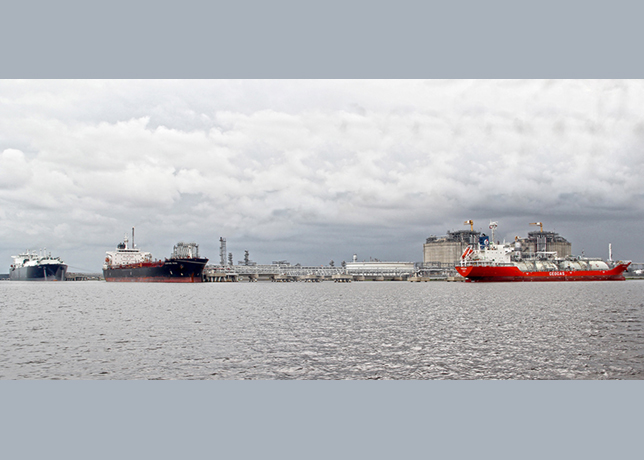
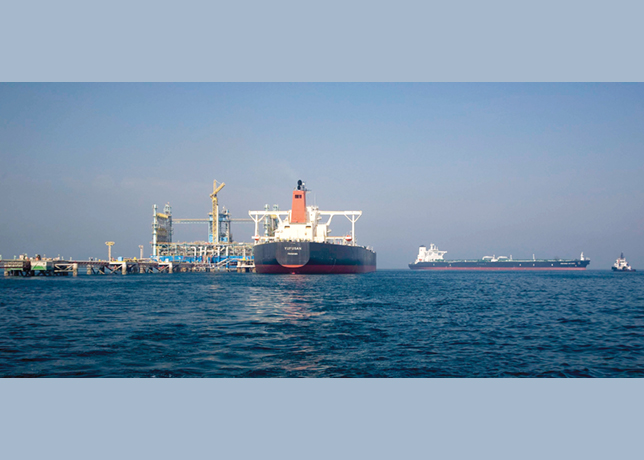
Ras Laffan Port Overview General Information
• Size: 8.5 square kilometres;
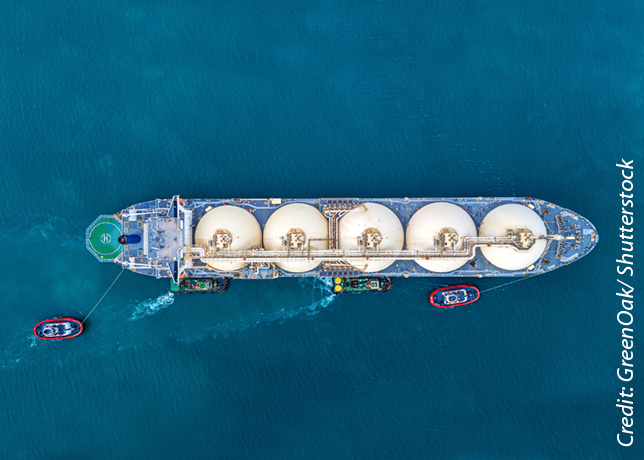
• One of the world’s largest LNG exporting facilities;
• Construction completed in 1995;
• First LNG shipment: Qatargas Vessel AI Zubara, December 24, 1996;
• Chief exports: LNG, condensate, sulphur;
• Existing Berths;
• 3 LNG berths. Individual capacity: 135,000 cu m;
• 2 Liquid product berths;
• Sulphur berth;
• Exploration production & supply vessel berth;
• Tug berth; and
• RoRoILoLo berth.
Port Facilities
• Port logistics;
• Vessel agency services;
• Port operations;
• Port maintenance; and
• Port control;
Port Services
• Pilotage;
• Port regulations;
• Port scheduling;
• Pilotage;
• Boarding Area;
• Towage;
• Fresh water supply;
• Fuel;
• Berthing;
• Cargo;
• Control tower; and
• Heavy equipment.