













Gas co-operate producers should co-operate to overcome a host of challenges facing the industry, including rising project costs and a shortage of qualified staff and technology which can have a negative impact on their ability to meet future demand, Qatari Oil Minister Abdullah Al Attiyah said.
“Providing sufficient gas supply to the world will rise in importance and the need to achieve stability in energy and meet rising demand for natural gas and its products requires a concerted effort by all concerned to ensure sufficient investment and fair terms that benefit both producers and consumers,” he told the opening session of the ministerial meeting of the Gas Exporting Countries Forum in the Qatari capital.
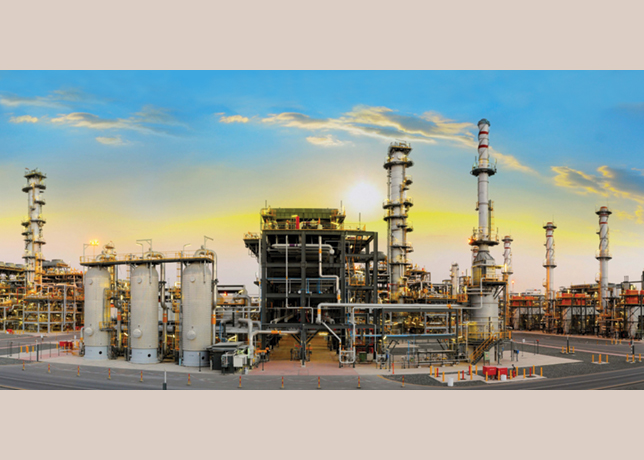
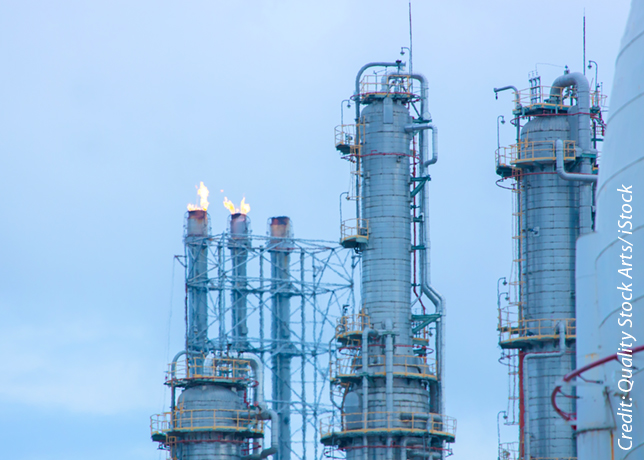
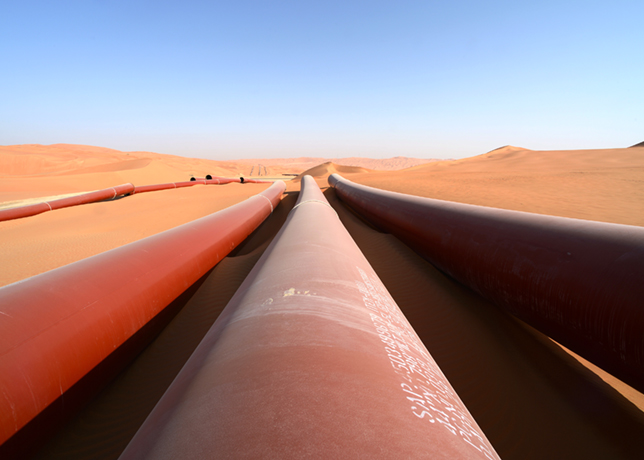
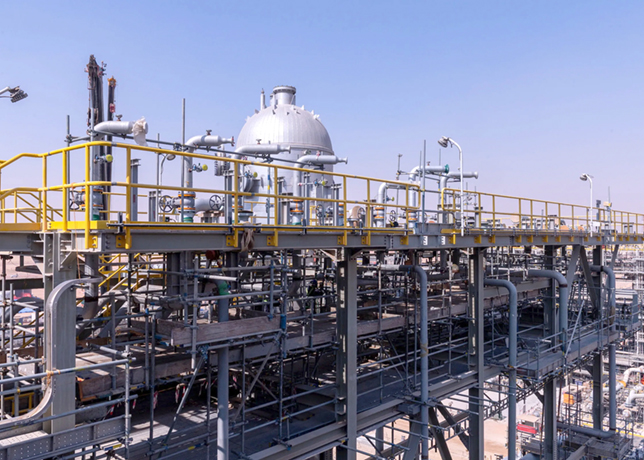
“Despite huge development in the gas industry and growing demand by consumers, the industry in producing countries faces great challenges in developing gas projects, building infrastructure, pipelines and receiving terminals,” said Al Attiyah.
Among these challenges, he added, are “rising project costs, shortages of labour, the limited number of specialised engineering companies and their impact on construction costs and completion, in addition to other negative issues which affect project economies and the development processes in producing countries.”
Qatar, which holds the third biggest gas reserves after Russia and Iran, was optimistic about the future and will continue to exert efforts to develop its huge reserves.
“Our strategy for gas is to achieve optimal utilisation of our gas resources, aiming at its diversification to include all applications, including gas-to-liquids, liquefied natural gas, transporting gas by pipeline and using gas to generate power and in the petrochemical industry.”
Al Attiyah’s remarks stressed cooperation and coordination, an attempt said Qatari delegates to tone down talk that the meeting was a precursor to the creation of a cartel along the lines of Opec.
“I don’t like the word cartel,” Al Attiyah said earlier. “We should refer to it as a club or a forum.”
Delegates said what the gas exporters were aiming for was to create a permanent secretariat to promote dialogue among the gas exporters themselves and with consuming nations, rather along the lines of the International Energy Forum (IEF) based in the Saudi capital Riyadh.
A liaison office for the gas exporters exists in Qatar.
Meanwhile, Opec had little influence until a decade after it was founded and it could take an organisation of leading gas producers even longer to gain clout, but it is moving in that direction.
At its first meeting in two years, the Gas Exporting Countries Forum decided to set up a high-level study group, led by the world’s biggest gas exporter Russia, to examine tighter collaboration.
Ministers said it was a step towards turning the previously toothless body into a gas version of Opec, which has a permanent secretariat, a team of experts to analyse the balance of supply and demand and has at times sent oil prices soaring.
Some big gas powers balked at the word cartel - a label often given to Opec and also rejected by many in that group. They said they were not seeking to fix prices or limit supplies to consumers.
But escalating demand and surging costs that have forced project cancellations or delays have focused minds on ways of working together.
“Gas is gaining the edge over oil,” said one industry source.
“It took five years for Opec to have a secretariat and another five-to-10 years for it to be really influential. It could take gas even longer because it’s more complicated, but we are working on it,” said the source.
Russia’s willingness to take the lead is crucial in boosting the credibility of the forum, established in 2001 and until now regarded as a talking shop.