





































 LNG production to double
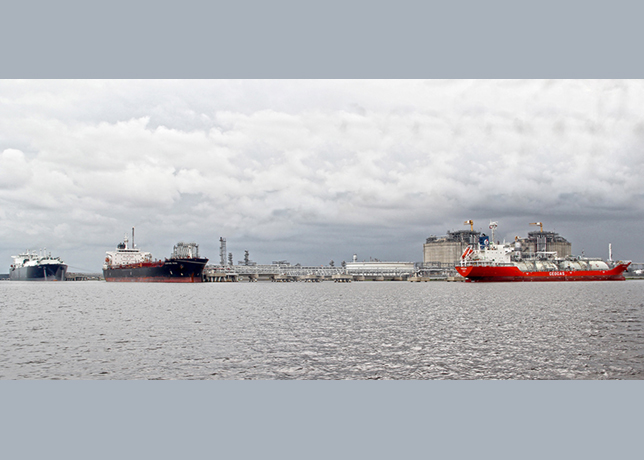
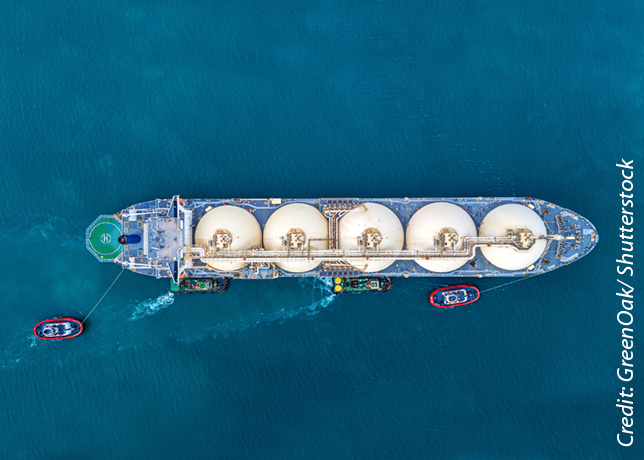
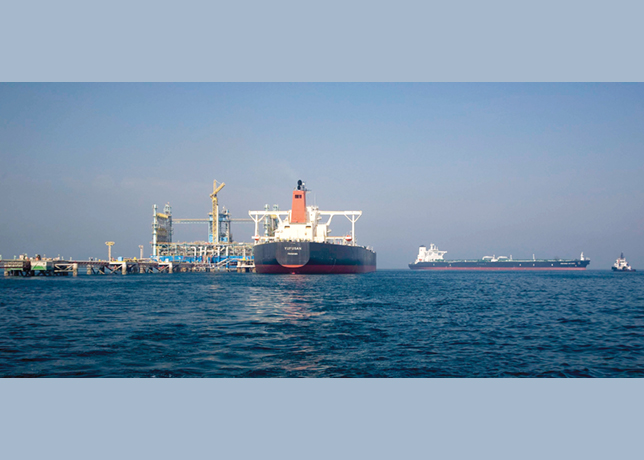
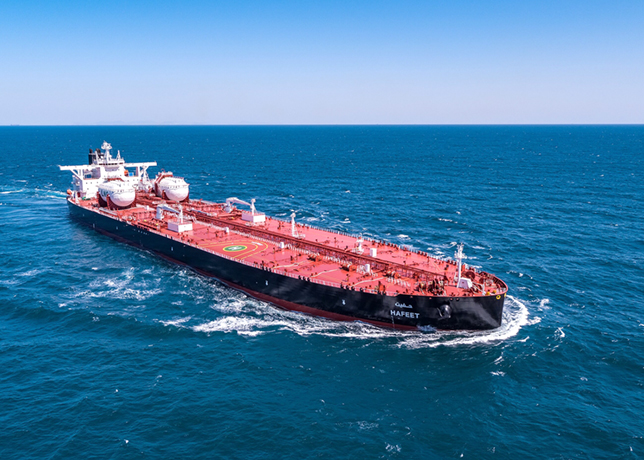
Deliveries of LNG for well into the future have been sold at a record level, analysts say, as investment costs climb and supply concern grows. LNG, or gas cooled to liquid form so it can be transported more easily, has been gaining popularity as customers seek to secure energy without the need for pipelines.
A surge of projects has helped to raise the cost of bringing on new supplies, meaning some schemes may no longer be viable.
LNG production last year has been estimated at roughly 160 million tonnes.
It is on course to be around double by the end of the decade, but after that there is great uncertainty about whether capacity will be adequate, a factor that is helping to persuade customers to pay high prices.
“We are looking at a shortage of LNG on a long-term basis. The whole market looks pretty tight,” said analyst Frank Harris of Wood Mackenzie.
“If all the existing supply works as expected and projects under construction proceed as planned, there will be just about enough capacity to meet demand in 2010.”
LNG experts say one of the highest long-term deal was struck between Korea Gas Corp and Qatar’s RasGas, a joint venture between Qatar Petroleum and ExxonMobil.
At least one similar deal is meant to be under negotiation.
“If they really need the volume, they will pay the price to secure the volume,” said Harris.
LNG availability from around 2011 depends on projects for which the final investment decision (FID) has yet to be made.
New projects take around four years to complete, so unless FIDs are taken soon, supply will fail to meet demand.
“The challenge for 2007 is not so much signing long-term supply contracts, since there are a lot of buyers desperate for supply, it is more about making FIDs and finding contractors to build the plants,” said LNG consultant Andrew Flower.
“If an FID on a project is made in 2007, the plant could start up in 2011, but it will be 2012 before it is making a significant contribution to supply.”
Apart from the risk projects may be delayed as developers seek to mitigate rising costs, there is always a risk of unexpected outages.
Flower, who monitors LNG unloadings, estimated imports in 2006 totalled 158.8 million tonnes. Production would have been about two per cent higher, as some LNG boils off during shipment.
Energy watchdog the Paris-based International Energy Agency (IEA) said there were no confirmed figures yet for 2006.
“Production capacity in 2004 was 160 million tonnes and we can see 320 million tonnes capacity in 2010 with a fairly high degree of certainty,” said the IEA’s Daniel Simmons.
“Any problem with investments lies after 2010, but of course technical problems could decrease the production rates of any installed capacity.”
As by far the biggest customers of LNG, Asian buyers are the first to pay up, but there is a risk of knock-on effects.
Within the LNG market, some customers have expressed concern the record deal said to have been done by South Korea and Qatar could lead to renegotiation of other contracts already agreed.
Analysts, however, said that was unlikely.
“It’s very hard to renegotiate deals in anything other than a marginal way once they are done,” said Harris.
In any case, comparison is difficult as the volumes can come from different projects in different countries.