







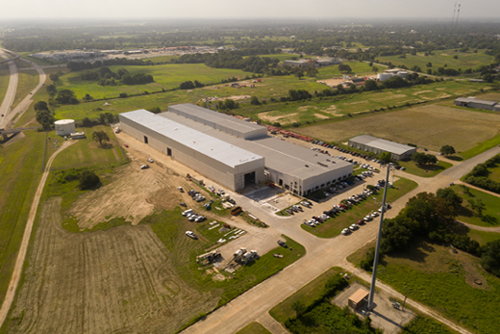

Secorp Industries is a one of the most successful safety services provider in Qatar, the region and worldwide.
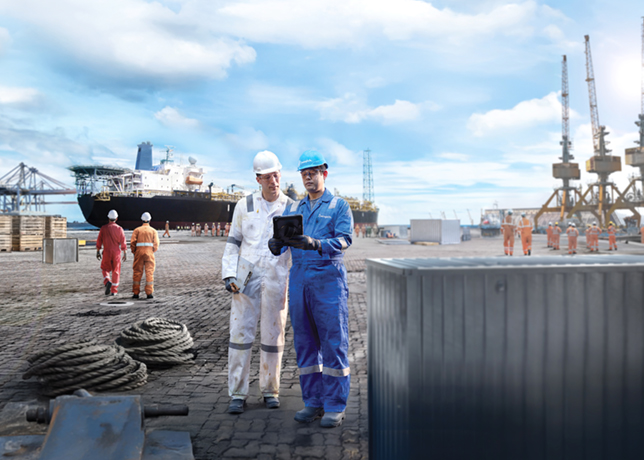
The company is a one stop shop for all the safety needs of a wide range of industries including the oil and gas, construction and aviation sectors.
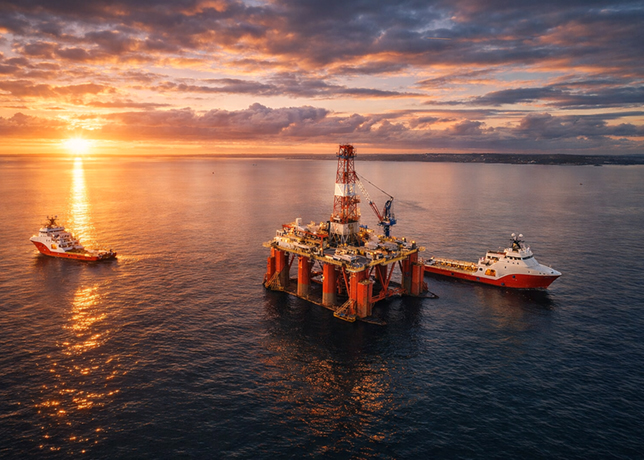
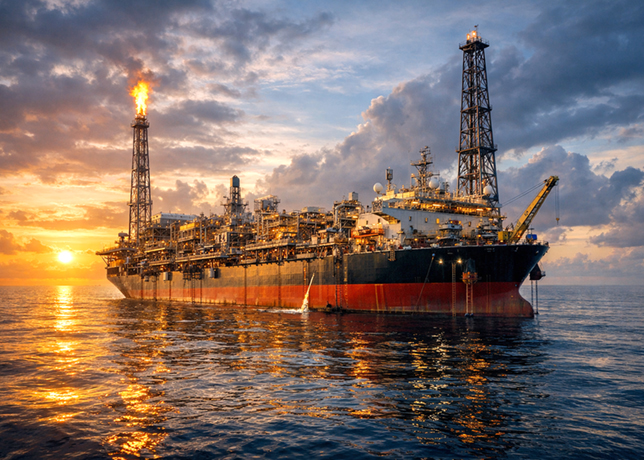
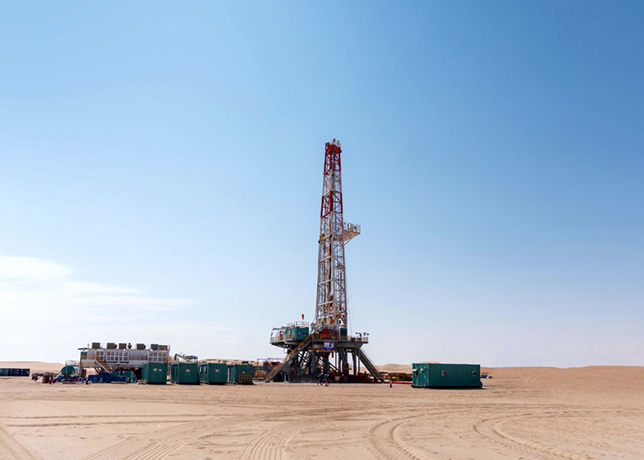
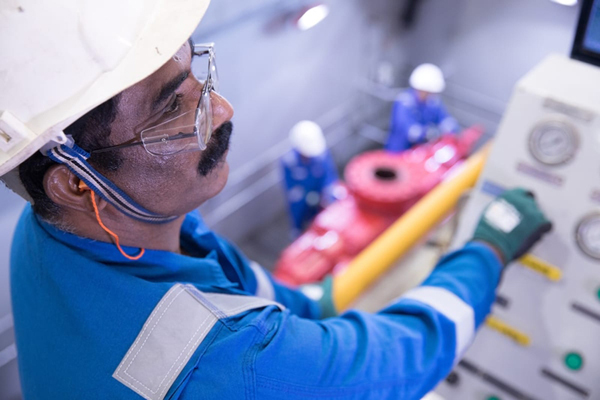
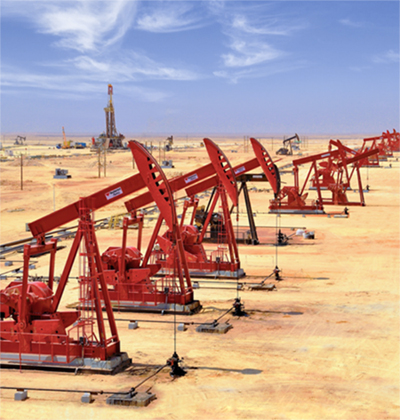
Secorp is an innovative provider to the oil and gas industry offering safety equipment and consultants both onshore and offshore.
The company specialises in the development of comprehensive respiratory protection programmes designed to meet all regulatory guidelines and offer the highest safety protection available.
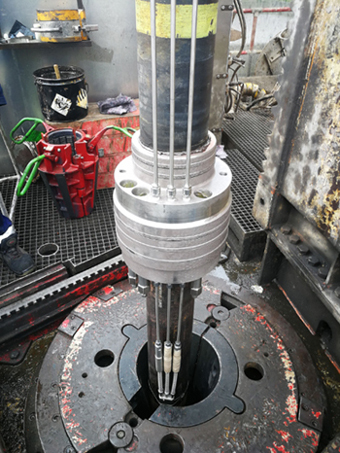
One of the major services provided by Secorp is portable hydrostatic testing, posi-checking and flow testing services.
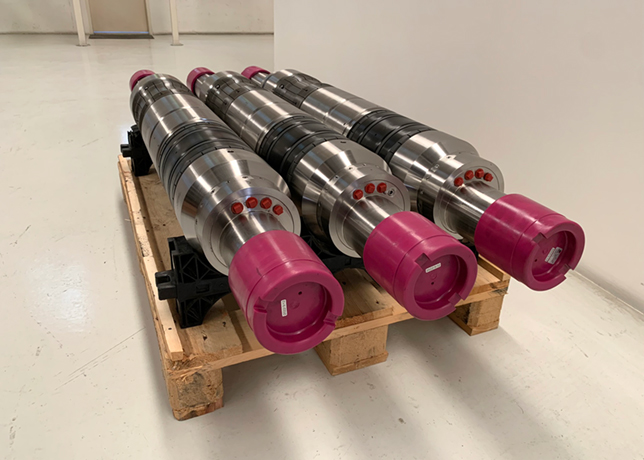
“Hydrostatic testing is a way to ensure that compressed air or any cyclinder or vessel holding gas or liquid or any compressed material is sound,” says William Mills, vice president of international operations Middle East, Far East, Africa.
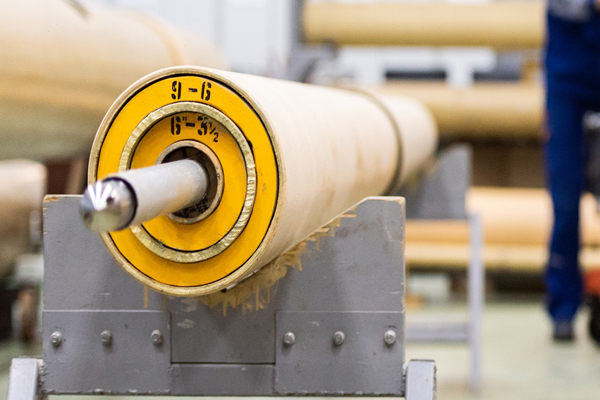
“So when you hydrostatic test these cylinders, the material is put under pressure in water. It actually expands and then the pressures are released, the parameters which have to be checked.
“The importance of this is that the compressed air cylinders do not fail or rupture when in use.”
According to the Compressed Gas Association, different cylinders with different materials have different intervals when they should be hydrostatic tested, says Mills.
“This depends on the composition of the cylinder. There are several types of cylinders made from different materials like iron, steel or aluminium or those made from graphite composite material. Then there are cylinders which are hybrid made from metal with fiberglass overwrap.
“Anybody who has any self contained breathing apparatus (SCBA) or any type of compressed air cylinders or any vessel with compressed gas needs hydrostatic testing. Basically any vessel which will hold any compressed material which includes any self contained breathing apparatus and different type of cylinders, such as fire extinguisher and medical oxygen to name a couple.
“Now the problem we had in this country was that every time we sent our cylinders for hydrostatic testing, all the companies which would test would do was fill it with water, expand and then say pass. And that was it.
“And we were giving cylinders back which were not properly tested and had major problems, one even had a crack at the side of it. There were horrible quality problems.
“So we said enough is enough. So we started to get into the hydrostatic testing business ourselves to maintain our own inventory,” says Mills.
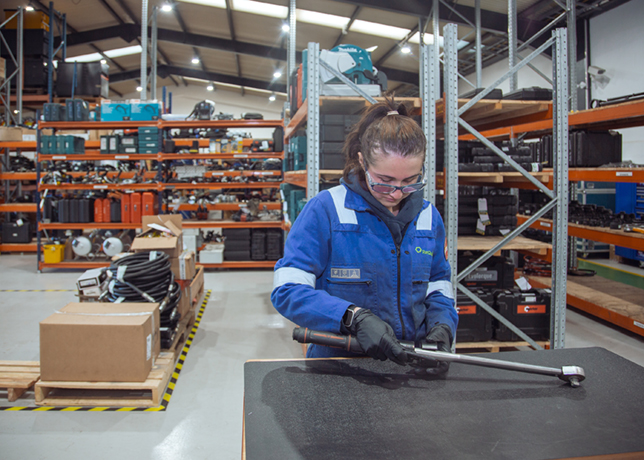
“We will, in addition to actually doing the expansion test, do a visual test inside of the container with an endoscope instead of using a flashlight and mirror.
“In addition to the endoscope, we also have certified calibrated Go-No Go gauges which we use to ceritify the width on the cylinder valve and its width in the cylinder itself to make sure there is no expansion. That is very critical and we give importance to that.
“We have a flux meter to check the continuity of the cylinder so that to make sure that there are no cracks which cannot be seen visually.
“So we perform a US DOT or CE compliant level of hydrostatic testing,” says Mills.
Another problem which many customers had with hydrostatic testing was the accessibility of the service, says Mills.
“For example, if you had many self-contained breathing apparatus which needed hydrostatic testing and if you sent them to another facility for testing, you need to have spare sets to replace yours which you cannot do without. So we have to rent substitute spare sets.
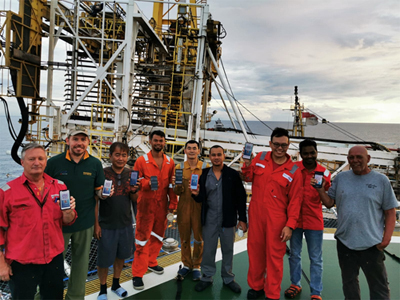
“We have the capability with our portable hydrostatic tester to go to your location whether offshore or land and do this testing.
“So far we have done offshore testing for Dolphin Energy, Nobel Drilling, GlobalSantaFe and Occidental to name a few. We have been to Oryx GTL and Q-Chem on land and to other hydrostatic testing on land.
“Our 10 foot containerised workshop meets all the new guidelines and specifications set by EN 12079 lifting guildlines. And inside this container we also have in addition to portable hydrostatic testing, full posi check, function testing,” adds Mills.
Due to the regulations in the country of Qatar, every self-contained breathing apparatus should be minimum yearly posi checked, function tested, says Mills.
“This is done by using proper machinery. This is in direct conjunction to hydrostatic testing.
“So not only do we have the capability of hydrostatic testing but we also take care of your SCBA, do posi check and function testing and make sure that the SCBA is indeed functioning the way it is intended to.
“We are the authorised centre for MSA brand, Sabre, Drager and other brands of SCBAs. So we maintain an adequate supply of parts, spare parts, technical manuals and our technicians have received training on how to maintain the SCBA sets.
“So we offer a complete package for maintaining breathing apparatus.
“Safety is our only business. We are a safety services provider.
“We have been expanding non-stop. We are currently working in Yemen, Abu Dhabi, Dubai and Saudi Arabia.
“In addition we also do remote medical services, provisions for doctors and paramedics and nurses offshore with full medical supplies in remote locations such as offshore oil rigs and installations and remote land locations and construction sites.
“We also provide safety consultants to the construction industry. We do gas monitoring and compressor maintenance. We are a one stop shop,” says Mills.
Mills’ vision for Secorp is to be the premier safety services provider in the Middle East if not the world.
“That is where we want to be. When people talk about Secorp Industries, the thought that automatically pops into their minds that these are the people who are best in what they do and they do it right,” concludes Mills.