























 GTL may make vehicles less environmentally damaging
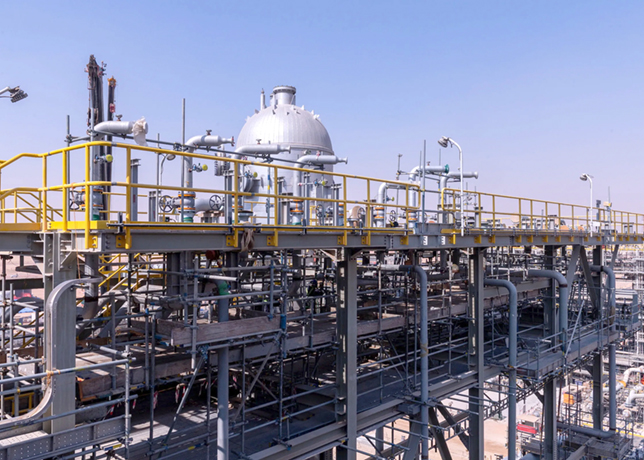
Gas-to-liquids (GTL) technology could make vehicles much less environmentally damaging but the process is very energy intensive and increasingly costly, prompting some companies to shelve multi-billion dollar projects.
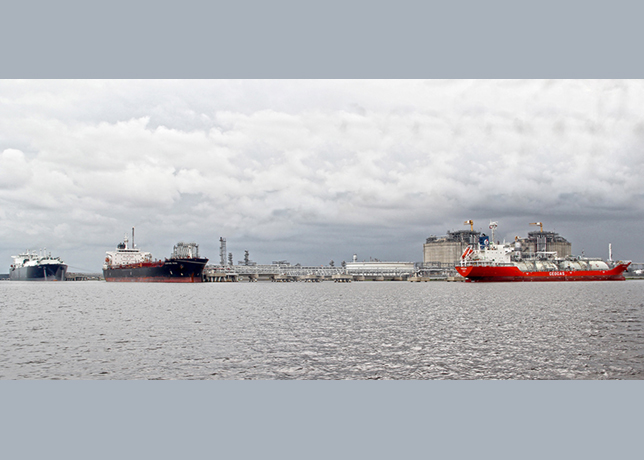
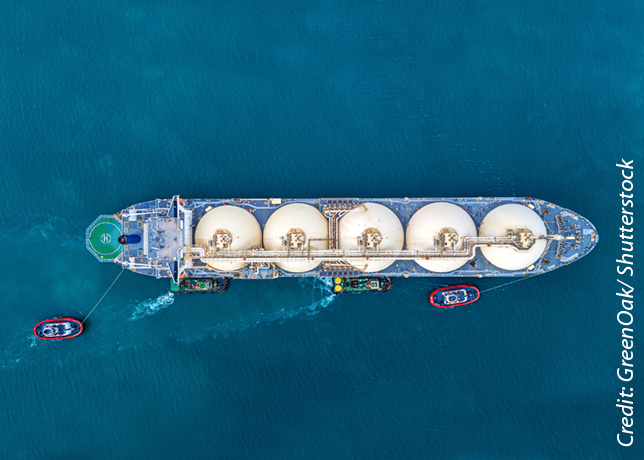
Although it offers much cleaner fuels than those refined from crude, GTL’s growth prospects look uncertain as rising costs threaten profitability and make competing uses for gas, like LNG plants, more attractive.
“LNG is much more profitable and energy efficient,” a western oil company executive said.
Earlier, ExxonMobil pulled out of a project in Qatar blaming spiraling costs, a decision a western oil source familiar with GTL said was “quite understandable.”
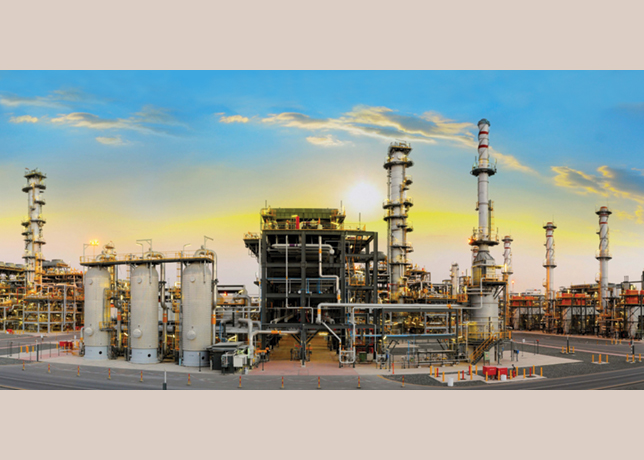
Royal Dutch Shell was sticking with its Pearl plant plan in Qatar, which will be the world’s largest.
The European oil major, pushed out of the Sakhalin-2 oil and gas project by Russia’s Gazprom, is soldiering on with Pearl.
But doubts linger over whether GTL is an efficient way to use gas.
“While GTL is attractive to refiners, GTL projects are themselves highly capital intensive and the process itself is also energy intensive,” according to an International Energy Agency report.
The IEA says that costs are about double those for oil refineries per barrel produced. “Only 60 per cent of the energy content of the feedstock ends up in the final product,” it said.
Although GTL offers gas-producers a way to sell their resources while meeting a growing demand for clean transport fuels, rising steel and labour costs affecting the energy industry as a whole are nibbling at profit margins.
The key influences on competitiveness are the cost of capital, operating costs of the plant, gas feedstock costs, scale and ability to achieve high utilisation rates in production, according to the IEA.
Ultimately, its success will depend on projections of market prices for petroleum products, gas prices, and the premiums put on the environmental advantages of GTL-produced fuels.
Despite its inefficiency and costs, global concern over pollution from vehicles and greater urgency over climate change could keep GTL growing.
“The drivers contributing to the renewed and growing interest in GTL from a consumer perspective are environmental,” the IEA said in its gas market view of 2006. “The environmental features of GTL products command a price premium.”
GTL technology transforms the carbon and hydrogen in natural gas to liquids via the Fischer-Tropsch processes developed in Germany in the 1920s.
Further upgrading through hydrotreating and cracking, GTL produces a range of sulphur-free, high-perfromance fuels which could lessen the environmental damage caused by oil-based fuels.