














 Japan assured of LNG supply
Qatar has pledged to continue supplying Japan with LNG and oil at a mutually acceptable price after Japan's Prime Minister Shinzo Abe visited the Gulf state.
Abe travelled to the Middle East to raise Japan's profile and ensure a steady supply of energy for the world's second-largest economy, in the face of rising demand from China and India.
Abe met Amir Sheikh Hamad bin Khalifa Al Thani and Prime Minister Sheikh Hamad bin Jassim bin Jabr Al Thani for talks on energy security. Abe also urged the development of "multi-layered" ties that include education and human development as well as energy.
"Both sides reaffirmed that they would further develop their bilateral ties in the field of production and transport of oil and LNG," according to a statement issued after their meeting.
No concrete steps were specified, although both nations agreed to expand investment and start informal talks aimed at making investment easier.
Meanwhile, Qatar could potentially divert to Japan up to one million tonnes per year (tpy) of term LNG supplies from its proposed Qatargas 2, 3 and 4 projects originally planned to serve European and American markets, Japanese industry sources said.
Negotiations between Qatar, the world’s largest LNG producer, and potential buyers in Japan, the world’s largest LNG importer, have been making progress recently, the sources added.
“We have accelerated talks with Qatar over the (possibility of taking) diversion cargoes,” one source said. “However, we have a big gap over prices.”
Qatar is offering to divert cargoes to Japan from Qatargas 2, 3 and 4 at a price that would have a stronger link to crude oil than in its existing long-term contracts with Japan, the sources said.
The proposed new formula would see LNG rise more in tandem with crude, unlike the existing term price formula which has an “S” curve to limit the impact from extreme oil price moves.
The trend toward a stronger oil price link in new long-term LNG contracts has already surfaced in some renewals between Australia’s North West Shelf project and its Japanese buyers, as a tightness in global LNG supplies gives producers an upper hand in negotiations. Long-term LNG contract prices in Asia are normally linked to crude oil.
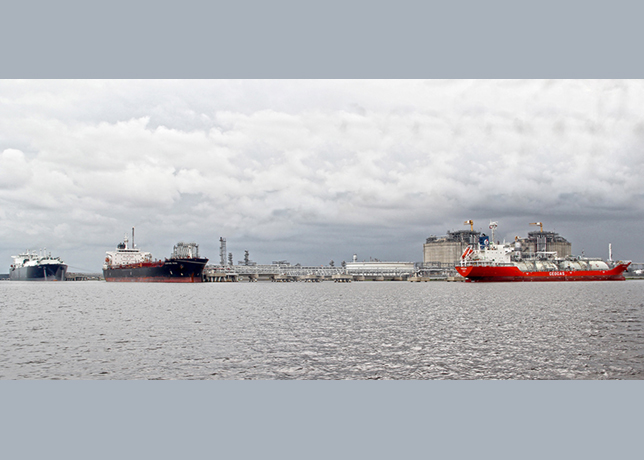
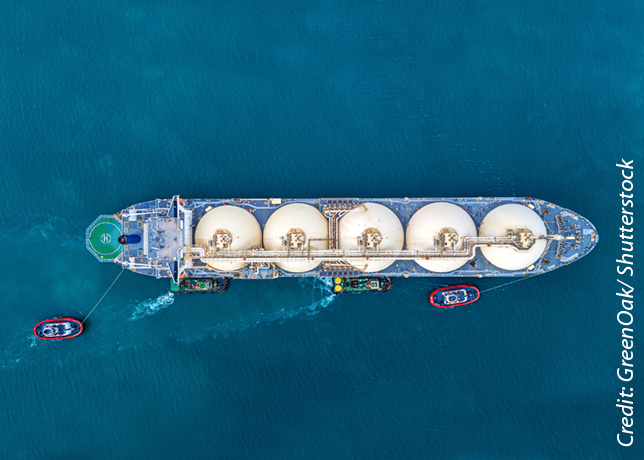
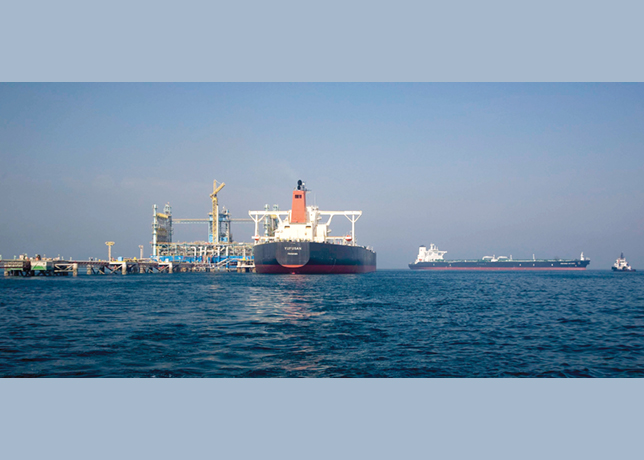
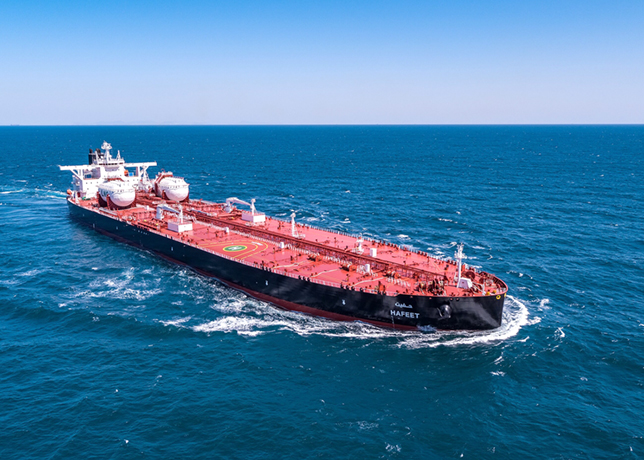
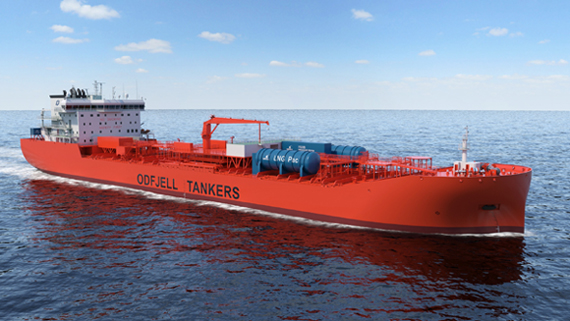
Qatar’s diversion cargoes to Japan would mainly be delivered using the large Q-Flex LNG carriers of around 210,000 cubic metres the producer is building, said one Japanese source.
Qatar’s planned fleet of Q-Flex and Q-Max (around 260,000 cu m) carriers will be the world’s largest when completed. The largest LNG vessel now in operation is around 150,000 cu m.
Although few Japanese LNG terminals can receive the large LNG carriers now, many importers have plans to upgrade facilities to accommodate the new vessels.
Qatar has existing term LNG contracts with Japan’s Tokyo Electric, Tohoku Electric, Chubu Electric, Kansai Electric, Chugoku Electric, Tokyo Gas, Osaka Gas and Toho Gas. Chubu Electric, Tokyo Electric, Tohoku Electric, Osaka Gas and Tokyo Gas have already announced plans or studies to upgrade their LNG terminals to allow the berthing of Q-Flex or Q-Max vessels.
Tohoku Electric is undertaking a safety study on accepting Qatar’s mega-sized vessels at its Nihonkai LNG terminal at Higashi Niigata port in northwestern Japan, officials said.
The study could be completed in July or August and the company might be able to finish the upgrades to receive Q-Flex LNG cargoes by late this year, a company source said.